We're Actually Going Back to the Moon This Week and It's Kind of a Big Deal
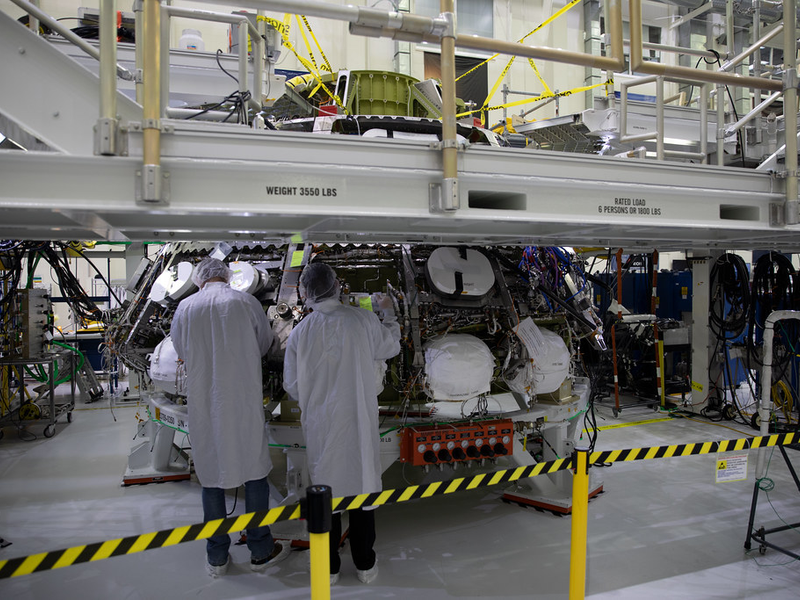
Photo by NASAKennedy | License
After 53 years of watching the Moon from afar, NASA is finally sending humans back there, and it’s happening this week. The Artemis II mission is set to launch, marking humanity’s return to lunar exploration in a way we haven’t seen since the Apollo era ended in the early 1970s.
This nine-day journey won’t actually land astronauts on the Moon’s surface (yet), but it’s still a massive milestone. The mission will send astronauts in the Orion spacecraft to orbit the Moon, test all the systems that make crewed spaceflight possible, and basically prove that we can do this again. Glover and Wiseman, the astronauts leading this charge, will spend their first day in orbit activating and testing Orion’s life support systems, the kind of stuff that didn’t get fully tested during the uncrewed test flight four years ago.
About 25 hours into the mission, the crew will fire Orion’s main engine to head toward the Moon. They’ll also manually control the spacecraft to practice docking maneuvers, because future Moon missions are going to require this kind of precision. It’s basically NASA’s way of making sure everything works before they actually commit to landing people on the lunar surface.
Here’s where it gets interesting: NASA recently shook things up with the Artemis program. The agency ditched plans for building a space station around the Moon and is now focusing on creating a permanent base on the surface itself. This restructuring also pushed back the actual landing mission, currently scheduled for Artemis IV in 2028 or later, because SpaceX and Blue Origin still need time to develop the landers that will carry astronauts down from orbit.
The changes also mean Artemis III will now be a test flight in lower Earth orbit instead of a full lunar landing mission. This gives the commercial partners more time to figure out in-orbit refueling, which is critical for getting their landers all the way to the Moon and back. It’s a strategic pivot that actually improves the chances of launching Artemis III next year.
NASA Administrator Amit Kshatriya emphasized that this mission is just the beginning of something much bigger. Behind this week’s launch stands an entire campaign, lunar landings, a permanent base, nuclear propulsion technology, and eventual missions to Mars. What happens Wednesday evening isn’t the end goal; it’s the foundation for everything that comes after.
So yeah, this week marks the moment we collectively get back in the Moon game. It’s the kind of moment that reminds you why space exploration still captures our imagination, even in 2026.
AUTHOR: rjv
SOURCE: Ars Technica