NASA's Artemis II Is Finally Launching. Here's Everything You Need to Know
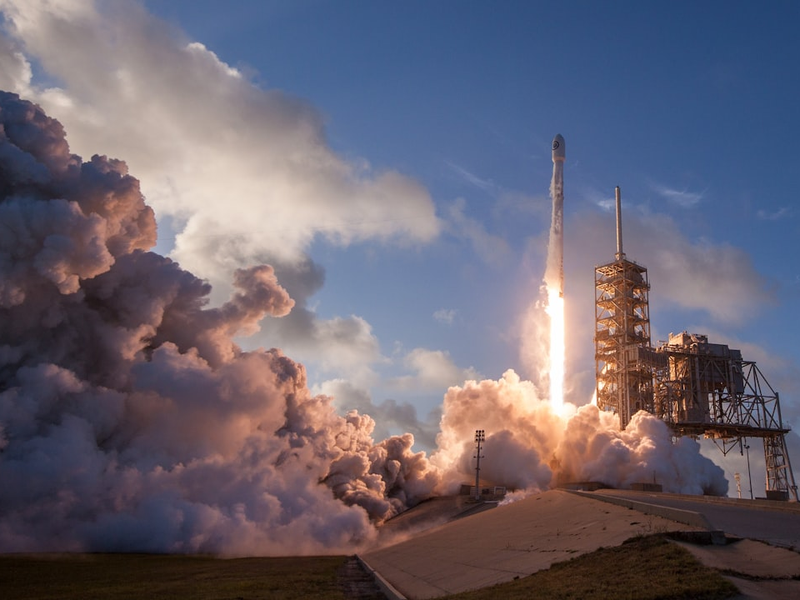
After decades of waiting, humanity is about to return to the Moon. NASA’s Artemis II mission is set to launch from Kennedy Space Center in Florida as soon as Wednesday, April 2nd, carrying four astronauts farther from Earth than anyone has traveled in history. If you’ve been following the space program and wondering what’s actually going down, here’s the breakdown of what to expect.
The crew, commanded by Reid Wiseman, piloted by Victor Glover, with mission specialist Christina Koch and Canadian astronaut Jeremy Hansen aboard, will spend nine days looping around the Moon before splashing back down to Earth. These aren’t just any astronauts either. Wiseman is a former Navy test pilot, Glover is making his second spaceflight, Koch is a spacecraft engineer and Antarctic explorer, and Hansen will become the first non-US citizen to travel beyond low-Earth orbit. That’s a seriously accomplished team.
Launch windows extend through April 6th, with a two-hour window opening at 6:24 pm EDT on Wednesday. The exact launch time matters because the rocket’s trajectory adjusts based on when it lifts off, the azimuth can vary by up to 9 degrees during the window. If weather or technical issues delay the launch, NASA has multiple backup opportunities before having to wait until late April.
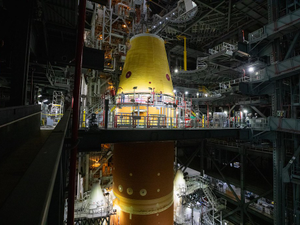
One of the biggest things engineers will be watching for is hydrogen leaks. Yes, again. The SLS rocket struggled with leaky hydrogen seals during Artemis I four years ago, and the same problem popped up during initial fueling attempts in February. NASA replaced the seals and ran a successful countdown rehearsal, but the investigation into what’s causing the leaks isn’t finished. Technicians will load over 750,000 gallons of super-cold propellants starting around 7 am EDT, with the hydrogen flowing in around 8:30 am. Sensors are on high alert for any hydrogen buildup during this critical phase.
The astronauts won’t even be at the pad until around 2 pm EDT. They’ll wake up around 9:45 am, grab breakfast, get their weather briefing, and suit up in those iconic orange pressure suits before walking out of the Neil Armstrong Operations and Checkout Building. Families, NASA officials, and photographers will be there to watch them depart in Astrovan II, basically a fancy converted Airstream trailer, for the 20-minute ride to the launch pad.
Weather-wise, forecasters are giving an 80 percent chance of favorable conditions. The main concern is cumulus clouds and ground winds, but downrange weather looks solid with less than a 10 percent chance of violations along the Atlantic flight corridor.
Once Artemis II clears the pad, the twin solid rocket boosters will burn out in about two minutes, the core stage will fire for over eight minutes, and the upper stage will kick in to push the crew toward the Moon. By Monday, the astronauts will soar over 4,000 miles above the lunar surface, snapping photos with Earth in the background. Then they’ll head home for a splashdown on April 10th at around 25,000 mph, the fastest humans have ever traveled.
This is the moment America has been waiting for since 1972. NASA plans to land astronauts on the Moon in 2028, and Artemis II is the crucial first step to making that happen.
AUTHOR: mei
SOURCE: Ars Technica