San Jose's Big Divestment Debate: Should the City Pull Its Money From Companies Working With ICE?
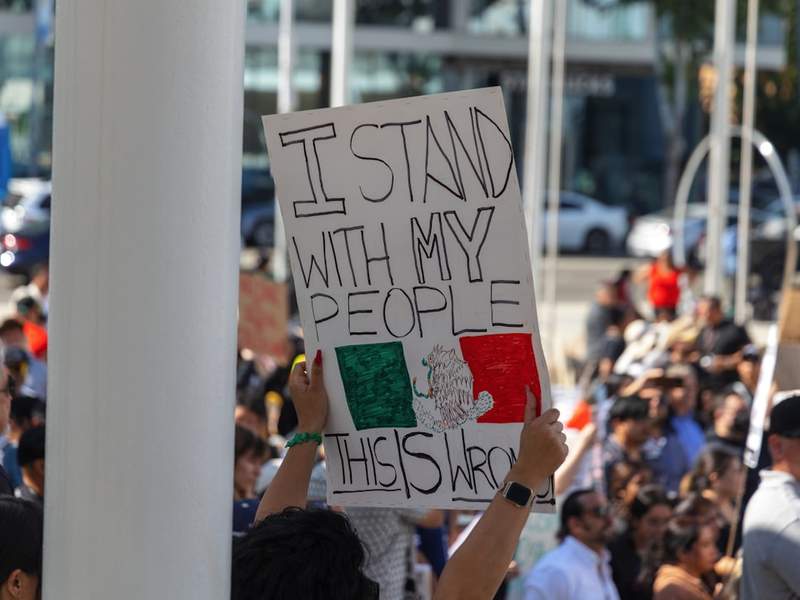
Photo by Jason Leung on Unsplash
San Jose is about to have a serious conversation about where its money goes, and it’s getting heated. On March 24, the City Council will decide whether to divest, that’s fancy speak for “pull out”, the city’s investments from companies that work with ICE, Israeli military operations, and prison systems. And honestly, it’s way more complicated than it sounds.
Local activists with San Jose Against War have been pushing this divestment effort for years, starting with concerns about Israel’s conduct during the Israel-Hamas war. But their demands have grown to include any company profiting off immigration enforcement, military operations, or mass incarceration. “Momentum is definitely on our side,” said Drusie Kazanova, co-founder of the group. “There’s a mass movement in resistance to the Trump administration and their attacks, both domestically and abroad”.
The catalyst came in October when Councilmember Peter Ortiz proposed studying what it would mean to pull city money from ICE contractors. A review found just one company in San Jose’s $2.5 billion investment portfolio actively working with ICE: Microsoft, which holds a $600,000 contract with the federal agency. The city has over $8 million in Microsoft bonds.
Ortiz framed this as staying true to San Jose’s values. “Divesting from corporations tied to ICE builds on that legacy and reaffirms the City’s commitment to safeguarding the safety and dignity of all residents, regardless of national origin or immigration status,” he wrote.
But here’s where it gets tricky. Not everyone’s on board. Some councilmembers worry that cutting ties with certain companies could tank the city’s financial health when San Jose is already staring down a $56 million budget shortfall. Councilmember George Casey initially pushed back, arguing that ethical concerns and investment strategy shouldn’t mix. The staff report also warned that divestment could hurt the city’s financial position by reducing portfolio diversity and forcing unfavorable asset sales.
That said, Councilmember Rosemary Kamei disagreed. “I think our public dollars do reflect our values,” she argued during a February committee meeting. She proposed that staff analyze more strategies for divestment. Eventually, even Casey voted in favor of moving the proposal forward to the full council.
Activists maintain that financial concerns are overblown. “The absolute bare minimum is that the San Jose City Council make ethical investments in our local community and not financially support Israel and the genocide and horrific murder of the Palestinian people,” said resident Elizabeth Agramont-Justiniano.
The March 10 council meeting was pushed back to allow staff to prepare a “supplemental memorandum,” though the city hasn’t explained why. Whatever happens on March 24 will signal whether San Jose’s investment policy actually matches its progressive values, or if the budget wins out.
AUTHOR: mls
SOURCE: Local News Matters