Pennsylvania's Latest Move Against Dynamic Pricing Could Change How You Shop
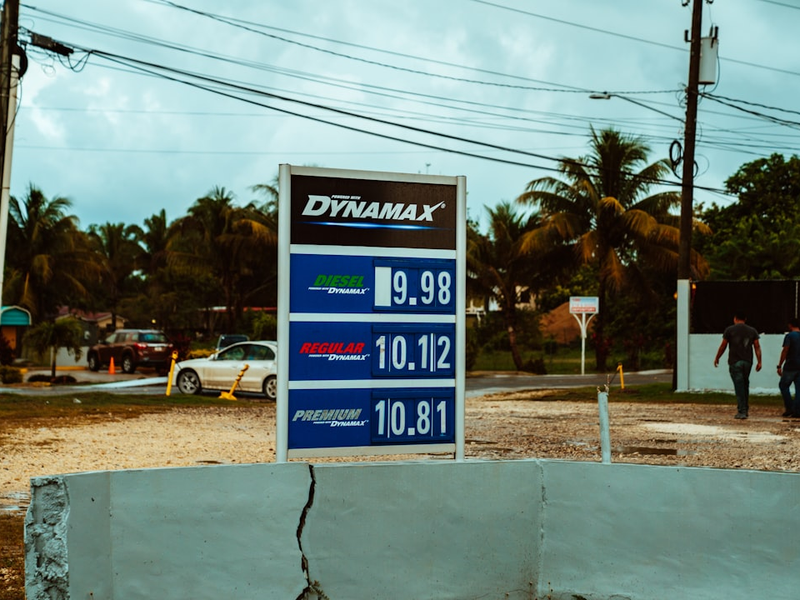
Photo by Meritt Thomas on Unsplash
Pennsylvania is joining a growing wave of states fighting back against dynamic pricing, you know, that annoying practice where companies charge different prices to different people for the same product. Senate Bill 1205 would ban retailers from adjusting prices for essential goods and services within a 24-hour period based on demand, customer data, or artificial intelligence. Basically, it’s an attempt to make sure you’re not getting price-gouged just because an app knows you’re desperate.
If you’ve been paying attention, dynamic pricing has become increasingly common in recent years. Remember when Wendy’s announced it was testing surge pricing for menu items and everyone lost their minds? Yeah, the fast-food chain walked that decision back pretty quickly in 2024. But companies like Uber have been doing this for ages with “surge” pricing during rush hours, and it’s become a standard playbook for a lot of businesses.
There are actually a few different versions of this annoying pricing tactic. There’s surveillance pricing, which uses your personal shopping habits and demographics to charge you more. Then there’s algorithmic pricing, which uses data, whether it’s broad stuff like peak shopping times or personal information like where you live, to determine what you’ll pay.
Pennsylvania isn’t alone in wanting to crack down on this practice. New York already took action with its Algorithmic Pricing Disclosure Act, which went into effect last November. Under that law, most businesses using algorithmic pricing have to display a clear warning right next to the price that says, “THIS PRICE WAS SET BY AN ALGORITHM USING YOUR PERSONAL DATA”. At least then you know what’s happening, right?
According to the Arizona Capitol Times, a bunch of other states are considering similar legislation too, including Arizona, Florida, Hawaii, Illinois, Kentucky, Nebraska, Oklahoma, Tennessee, Vermont, Virginia, and Washington. It’s becoming clear that voters across the political spectrum are fed up with these pricing games.
Recent incidents have definitely fueled this momentum. Last December, Instacart, the grocery delivery service, ended its controversial price testing after an investigation revealed the company was charging the same products at vastly different prices to different customers, sometimes with markups as high as 23 percent. That’s a huge difference in what people are paying for identical items.
But even with all this pushback, companies keep testing the waters. Sony has been experimenting with dynamic pricing on its PlayStation Store, proving that the tech industry isn’t backing down. As Pennsylvania moves forward with its legislation, it’ll be interesting to see if other states follow suit and whether companies will actually change their practices or just find new ways to squeeze customers. Either way, it’s clear that people are done with being nickeled and dimed based on algorithms and personal data.
AUTHOR: mei
SOURCE: Mashable