California's Declaring a Civic Learning Week—And Why It Actually Matters for Your Generation
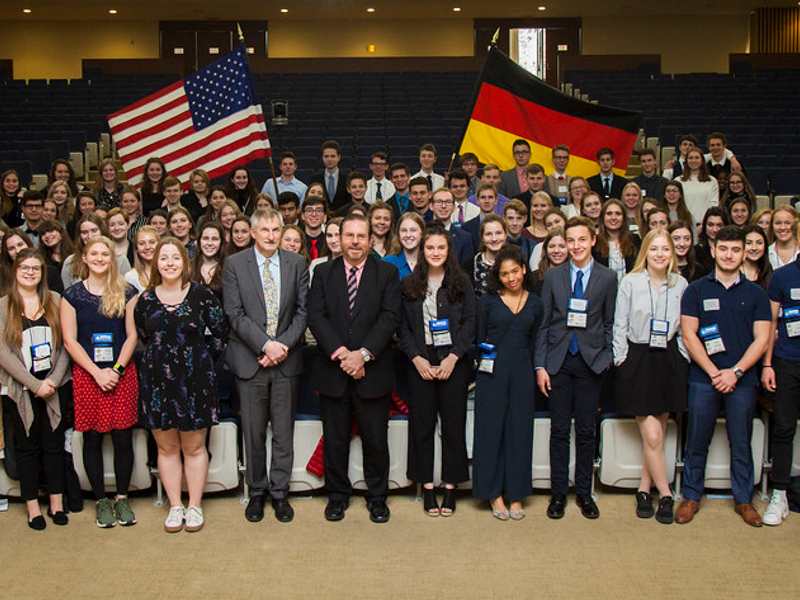
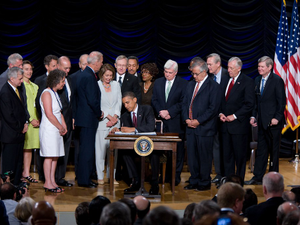
Photo by Bureau of Educational & Cultural Affairs | License
Governor Gavin Newsom just issued a proclamation making March 9 through March 13 “Civic Learning Week” in California, and honestly, this timing is pretty intentional. As the country gears up to celebrate the 250th anniversary of the Declaration of Independence, state officials are basically saying: hey, we need to talk about how democracy actually works, and how to keep it from falling apart.
Here’s the thing that might actually surprise you: people who get solid civic education are two to three times more likely to vote. That’s not some small bump. That’s a massive difference. Plus, they show 25% higher levels of trust in other people and institutions. In a time when it feels like everyone’s at each other’s throats online and political polarization is at an all-time high, that kind of trust thing matters way more than it might seem.
Newsom’s proclamation hits on something pretty real, democracy isn’t some automatic thing that just keeps humming along without effort. Every generation has to actually learn how to participate in it, understand how government works, and figure out how to engage with people who disagree with them. It’s not like inheriting a car that runs itself. It’s more like inheriting instructions for how to build one, and each generation has to learn how to read those instructions.
The proclamation emphasizes teaching young people how to engage “respectfully and productively with civic society”. Translation: how to disagree without losing your mind, how to actually listen to people with different opinions, and how to be part of a functioning democracy instead of just screaming into the void on social media.
For millennials and Gen Z specifically, this is kind of crucial. We’re the ones navigating voting for the first time in some cases, dealing with misinformation constantly, and trying to figure out how to actually make our voices heard in a system that sometimes feels completely broken. Better civic education means understanding why certain policies exist, how to actually engage with local government (which is often way more accessible than federal politics), and recognizing that change doesn’t happen overnight, it requires showing up and participating.
The state’s commitment to prioritizing civics learning for all students is solid, but the real test is whether schools actually have the resources and curriculum to make it happen. It’s easy to declare a week and sound good. It’s harder to actually fund quality civics programs that teach critical thinking, media literacy, and how to navigate disagreement.
So while Civic Learning Week might seem like just another proclamation from Sacramento, it’s actually pointing to something that’s been missing from a lot of education: the skills and knowledge you need to actually function as a citizen in a democracy. That’s worth paying attention to.
AUTHOR: mls
SOURCE: gov.ca.gov