AI Drama Heats Up: Anthropic Trolls OpenAI with Super Bowl Ad Shots
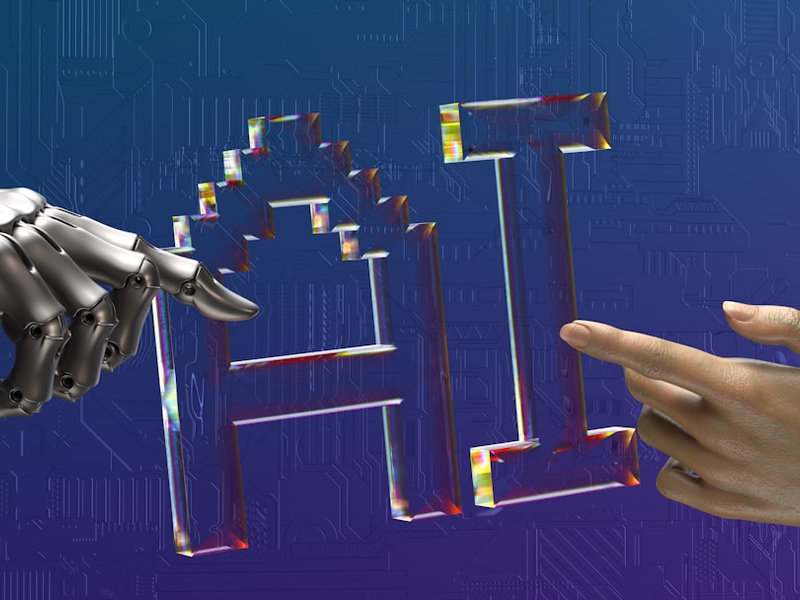
Photo by Igor Omilaev on Unsplash
The tech world is buzzing with some serious AI company beef this Super Bowl season. Anthropic has dropped a series of provocative commercials directly targeting OpenAI’s plans to introduce advertisements in their ChatGPT platform, and tensions are running high.
The campaign, dubbed “A Time and a Place,” features four eye-catching ads that each open with a dramatic word: “Betrayal,” “Violation,” “Deception,” and “Treachery”. These commercials cleverly illustrate scenarios where AI interactions get unexpectedly interrupted by product pitches, ending with the tagline: “Ads are coming to AI. But not to Claude”.
One particularly memorable spot shows a person seeking therapy-like advice from an AI, only to be suddenly redirected to a fictional dating site. Another depicts a fitness-seeking user getting pitched height-boosting insoles instead of workout tips.
OpenAI’s leadership, including CEO Sam Altman and Chief Marketing Officer Kate Rouch, didn’t take this lightly. Altman publicly called the ads “clearly dishonest” and accused Anthropic of being “authoritarian,” while Rouch dramatically stated, “Real betrayal isn’t ads. It’s control”.
Behind the drama lies a complex financial landscape. OpenAI has massive infrastructure deals totaling over $1.4 trillion and expects to spend around $9 billion this year, with only 5% of their 800 million weekly users paying for subscriptions. Anthropic, meanwhile, focuses on enterprise contracts and paid subscriptions without the same massive infrastructure commitments.
The ads, set to air during Super Bowl LX, represent more than just marketing, they’re a pointed critique of potential AI monetization strategies. By highlighting the intrusive nature of ads, Anthropic is positioning itself as a more user-friendly alternative in the rapidly evolving AI market.
As the AI arms race continues, these bold marketing moves suggest that competition isn’t just about technological capabilities, but also about user trust and experience.
AUTHOR: pw
SOURCE: Ars Technica