Young Men in California Are Falling Through the Cracks: A Generation's Struggle

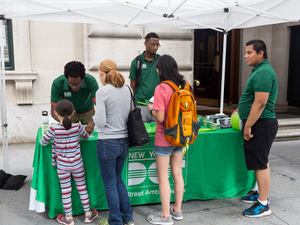
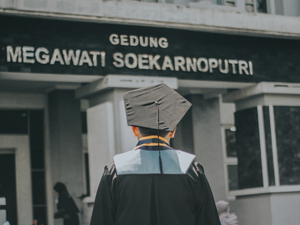
Photo by Levi Meir Clancy on Unsplash
California is facing a silent crisis that’s reshaping an entire generation of young men. Nearly half a million individuals between 16 and 24 are currently disconnected from education and employment, highlighting a complex social challenge that goes far beyond simple job statistics.
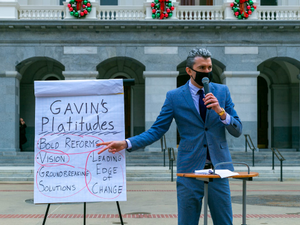
Governor Gavin Newsom has recognized this emerging problem, describing it as a critical issue affecting young men’s mental health, social connections, and economic prospects. Research shows that these disconnected young men are disproportionately Black and Native American, with systemic barriers preventing their full participation in society.
The reasons behind this disconnection are multifaceted. Economic shifts like automation, the decline of manufacturing jobs, mental health challenges, and struggles with addiction have created significant obstacles. Shockingly, nearly one in four men under 30 report having no close friends, a dramatic increase from previous decades.
Personal stories like Jodeah Wilson’s illuminate the human experience behind these statistics. Wilson, a Sacramento State University student, found himself trapped between paying rent, managing tuition, and finding stable employment after his car broke down - a single setback that threatened to derail his entire educational journey.
Mental health plays a crucial role in this narrative. Men are four times more likely than women to die by suicide and are less likely to seek mental health support. The state is responding with innovative approaches, including billboard campaigns featuring young men and initiatives designed to create more mentorship opportunities.
State agencies are developing comprehensive strategies to address these challenges, recognizing that solutions must be holistic. Simply providing job training isn’t enough; young men need guidance, understanding, and support that acknowledges their complex lived experiences.
As California confronts this generational challenge, the stakes are high. Without intervention, these disconnected young men risk long-term economic instability, reduced health outcomes, and continued social isolation. The state’s response could become a model for addressing a national trend of young men feeling increasingly marginalized and disconnected.
AUTHOR: pw
SOURCE: Local News Matters