Tesla Backs Down: How 'Autopilot' Marketing Got the Company into Hot Water
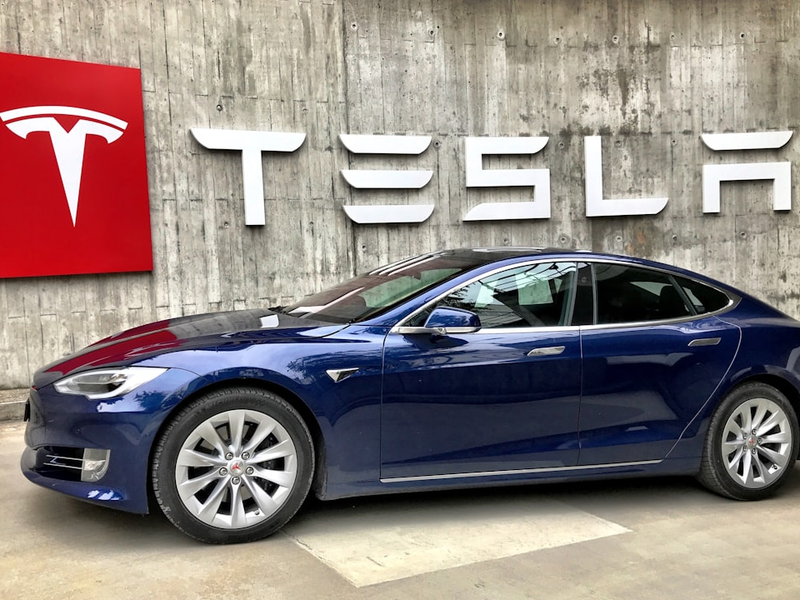
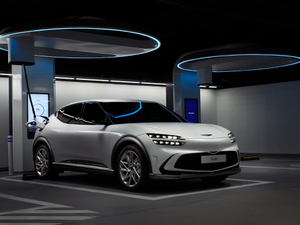
Photo by Tesla Fans Schweiz on Unsplash
The electric vehicle giant Tesla has once again found itself in a legal tussle, this time with the California Department of Motor Vehicles (DMV) over its controversial “Autopilot” and “full self-driving” marketing claims.
After a lawsuit from California Attorney General Rob Bonta, Tesla has agreed to remove the term “Autopilot” from its marketing materials in the state, narrowly avoiding a 30-day sales suspension. The legal battle stems from concerns about potentially misleading consumers about the actual capabilities of their vehicle’s autonomous driving features.
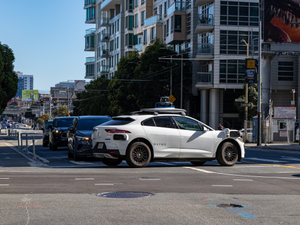
The controversy highlights ongoing tensions between tech innovation and consumer safety. Multiple dangerous incidents, including fatal crashes and reports of drivers taking naps or sitting in the backseat while the car is in motion, have raised serious questions about the reliability of Tesla’s autonomous driving technology.
In December, a California judge initially ruled that Tesla could face a comprehensive ban on selling and manufacturing vehicles in the state. However, the DMV ultimately provided a 60-day window for the company to modify its marketing language.
Tesla’s response has been characteristic of the company’s approach – technically complying with the order while maintaining a defiant stance. Elon Musk’s company claimed the order was unnecessary, stating that no customers had complained about the terminology. This statement conveniently ignores an ongoing class-action lawsuit from hundreds of Tesla owners alleging the company oversold its self-driving capabilities.
The DMV’s director, Steve Gordon, confirmed that Tesla has taken “the required action to remain in compliance with the state of California’s consumer protections”. This resolution underscores the growing regulatory scrutiny around autonomous vehicle technologies and marketing claims.
For Bay Area consumers and tech enthusiasts, this saga represents a critical moment in the ongoing dialogue about the promises and limitations of autonomous driving technology. It serves as a reminder that cutting-edge innovation must be balanced with transparent communication and genuine commitment to user safety.
AUTHOR: rjv
SOURCE: SFist