The Harsh Reality of San Jose's Homeless Relocation Efforts: More Harm Than Help?
Photo by Marco Antonio Casique Reyes on Unsplash
San Jose’s controversial Homeward Bound program has served just 42 homeless individuals in its first year, raising serious questions about the effectiveness of the city’s approach to addressing homelessness.
Mayor Matt Mahan’s pilot program aims to reconnect homeless people with family outside the city, spending $31,500 on transportation and travel stipends. While the city touts this as a solution, homeless advocates see it differently. The program has scattered individuals across the country, from New York to Texas, with Northern California receiving the most relocations.
The lack of comprehensive support is starkly evident. Outreach workers make initial contact with family members, but once individuals are transported, there’s minimal follow-up. Todd Langton from Agape Silicon Valley warns, “I’m worried about people who go back to their original cities and become homeless again”.
Compared to San Francisco’s more robust relocation program, which reconnects 37 people monthly and provides extensive support, San Jose’s approach seems rudimentary. San Francisco now offers 24/7 relocation assistance, including travel planning, ID procurement, and 90-day post-relocation support.
Local data is particularly revealing: 83% of homeless individuals in Santa Clara County were already local residents before losing housing. San Jose currently has 6,503 homeless people, with approximately half living unsheltered.
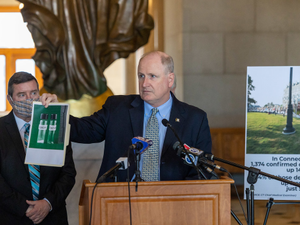
Mayor Mahan claims the program helps people “reconnect with family” and could be a “turning point” for those struggling with mental health and addiction. However, critics argue the program feels more like displacement than genuine support.
As housing insecurity continues to plague the Bay Area, programs like Homeward Bound highlight the complex challenges of addressing homelessness. Without comprehensive, long-term solutions that prioritize housing, mental health support, and economic stability, these relocation efforts risk becoming nothing more than temporary band-aids on a systemic wound.
AUTHOR: mei
SOURCE: Local News Matters