Western U.S. Snowpack Crisis: What It Means for California's Future
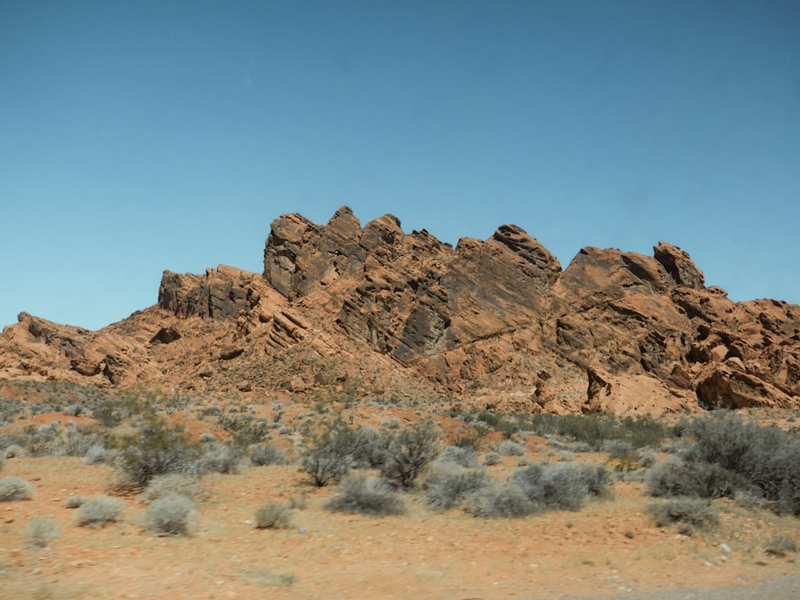
Photo by Lennon Kong on Unsplash
Climate change is delivering a harsh blow to the Western United States, with snowpack levels hitting unprecedented lows this winter. Recent data from the U.S. Department of Agriculture reveals that snow levels across nine Western states are less than half their normal amount, a situation that could trigger significant ecological and water management challenges.
Climate scientist Daniel Swain from UC Agriculture and Natural Resources warns that this snowpack deficit could intensify existing environmental and political tensions, particularly in the Colorado River Basin. The basin, which supplies water to 40 million people across seven states, is already struggling with decades-old water-sharing agreements that fail to account for current climate realities.
Unusually warm temperatures are a key factor in this snow drought. Parts of Colorado have experienced temperatures approaching 80 degrees Fahrenheit in February, preventing snow from accumulating or remaining stable. A recent Dartmouth study confirms that climate change has been steadily reducing snowpack levels across the Northern Hemisphere over the past 40 years.
The implications of low snowpack extend beyond immediate water concerns. Forests with diminished snow coverage dry out faster and become more vulnerable to wildfires. This creates a potentially dangerous feedback loop, as recent research suggests that recently burned areas experience even faster snow melt.
Water management experts like Jack Schmidt from Utah State University describe the current situation as a long-term deficit spending scenario. The Colorado River Basin’s water allocation rules, originally designed in 1922, are increasingly inadequate for managing water resources in a changing climate.
While the situation is critical, experts emphasize that immediate water shutoffs are unlikely. However, the low snowpack levels underscore the urgent need for adaptive water management strategies that can respond to rapidly changing environmental conditions.
As California and other Western states continue to grapple with these challenges, the snowpack crisis serves as a stark reminder of the ongoing impacts of climate change on our most essential resources.
AUTHOR: tgc
SOURCE: Wired