Robot Revolution: How AI is Transforming Humanoid Technology
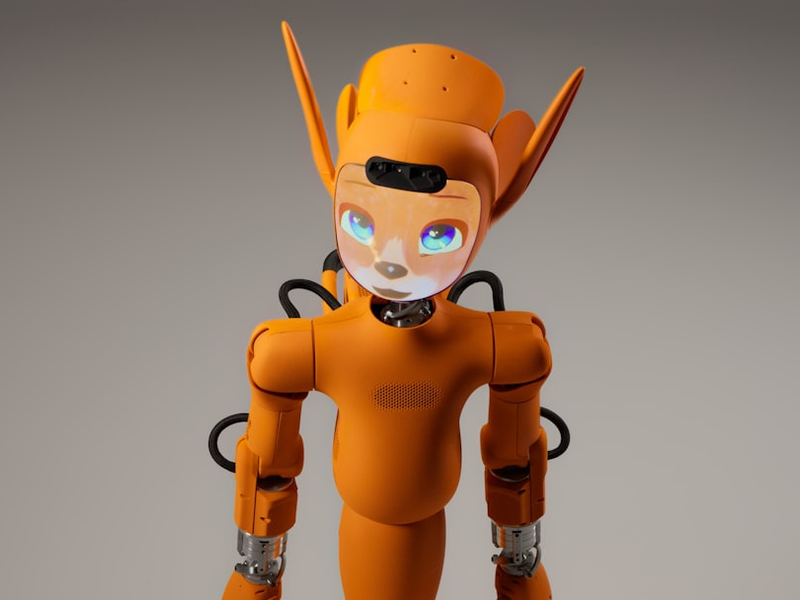
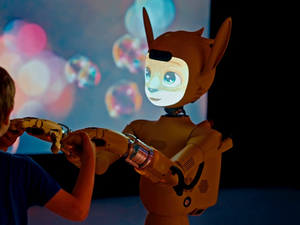
Photo by Enchanted Tools on Unsplash
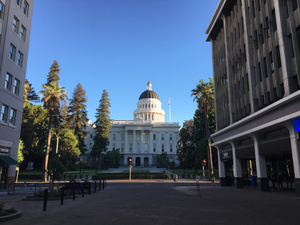
Silicon Valley is buzzing with excitement as humanoid robots take center stage, signaling a potential paradigm shift in technological innovation.
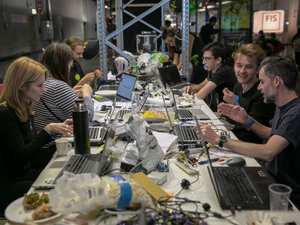
At a recent robotics summit, over 2,000 engineers and tech enthusiasts gathered to explore the future of humanoid robotics, revealing both immense potential and significant challenges. Venture capitalist Modar Alaoui, who organized the event, believes that physical embodiments of AI are becoming increasingly inevitable.
The current landscape shows remarkable diversity, from Disney’s walking Olaf robot destined for international theme parks to experimental models being developed by startups and tech giants. Chinese firms are leading the charge, with approximately 20 companies heavily investing in humanoid technology, compared to 15 in North America.
Advances in generative AI have dramatically accelerated robotic development. Modern AI models combined with computer vision are enabling robots to understand and interact with their environments more intuitively than ever before. This breakthrough allows robots to learn tasks and adapt in ways previously considered impossible.
However, skepticism remains high. Prominent robotics researchers like Rodney Brooks caution that achieving true dexterity and human-like functionality remains a significant challenge. The road to “general purpose” robots that can seamlessly integrate into workplaces and households is still long and complex.
Interestingly, industrial robots performing specific tasks are already commonplace in manufacturing, demonstrating that specialized robotic technology is more immediately achievable than generalized humanoid models.
As the technology continues to evolve, the race is on between global tech powerhouses to develop the most advanced and practical humanoid robots. With substantial venture capital investment and continuous technological breakthroughs, the future of robotics looks increasingly promising and transformative.
AUTHOR: mb
SOURCE: NBC Bay Area