Microsoft's AI Vision: The Quest for a More Human Artificial Intelligence
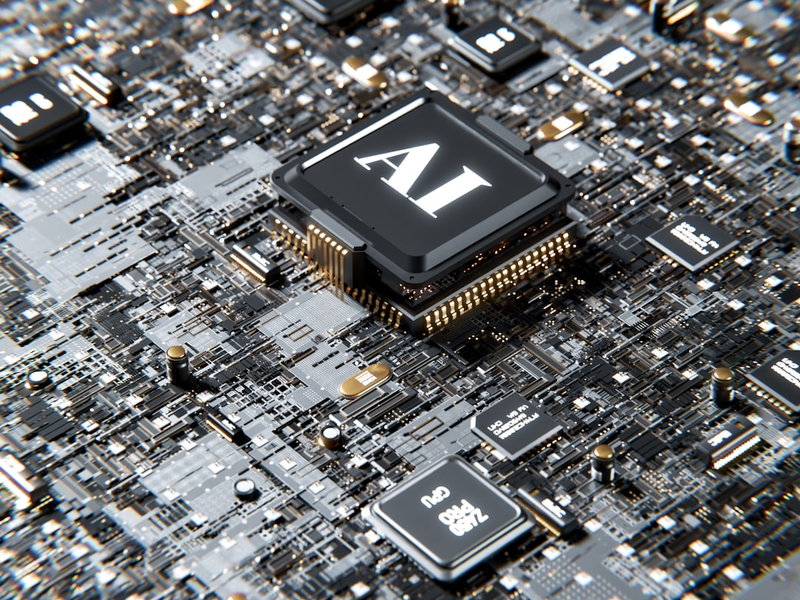
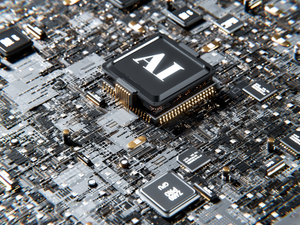
Photo by Igor Omilaev on Unsplash
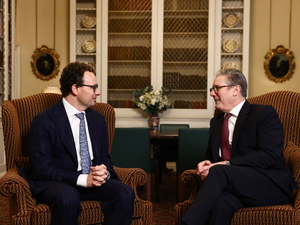
In a groundbreaking interview, Mustafa Suleyman, the chief executive of Microsoft AI, unveiled his ambitious vision for developing what he calls “humanist superintelligence” - a transformative approach to artificial intelligence that goes beyond traditional technological advancement.
Suleyman’s perspective represents a significant shift in the AI landscape, emphasizing not just technological capability but also ethical considerations and human-centric design. His goal is to create AI systems that are not merely sophisticated computational tools, but intelligent platforms that can understand and interact with human complexity.
The Microsoft AI leader discussed the potential timelines for AI integration across professional sectors, suggesting that significant workplace transformations are on the horizon. While specific replacement rates weren’t detailed, Suleyman indicated that AI will progressively take over complex professional tasks, fundamentally reshaping how we work and collaborate.
Critical to Suleyman’s vision is the push for AI self-sufficiency - developing systems that can learn, adapt, and make decisions with minimal human intervention. This approach requires sophisticated machine learning algorithms and robust ethical frameworks to ensure AI remains aligned with human values and societal needs.
The talent acquisition battle in the AI sector remains intense, with top tech companies competing aggressively to recruit the most innovative minds in machine learning, computational theory, and cognitive science. Microsoft’s strategy appears focused on attracting researchers who share Suleyman’s humanist vision of technological development.
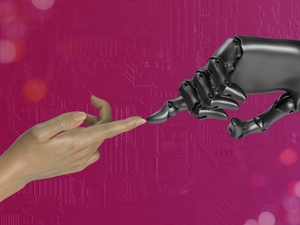
As artificial intelligence continues to evolve at an unprecedented pace, Suleyman’s perspective offers a nuanced view of technology’s potential to augment human capabilities rather than simply replace them. His approach suggests a future where AI becomes a collaborative partner, enhancing human potential across various domains.
The implications of this vision are profound, promising a future where technology serves humanity’s broader interests with unprecedented sophistication and understanding.
AUTHOR: rjv
SOURCE: Financial Times