How California's Climate Diplomacy Is Changing the Global Game
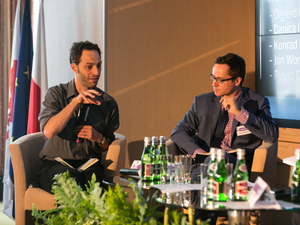
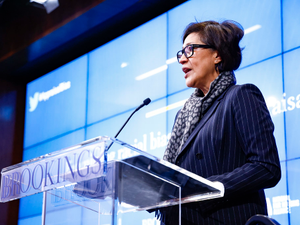
While the federal government plays political ping-pong with climate action, California is quietly becoming a global environmental powerhouse. Governor Gavin Newsom’s recent appearance at the Munich Security Conference highlighted the state’s commitment to international climate partnerships, proving that meaningful change can happen at the subnational level.
During the conference, Newsom met with key international leaders from Germany, Denmark, and the European Union to advance climate cooperation. These meetings weren’t just diplomatic photo-ops; they represented tangible commitments to reducing greenhouse gas emissions, developing renewable technologies, and creating sustainable economic growth.
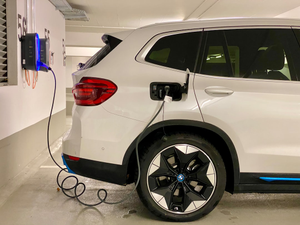
California’s approach goes beyond traditional diplomacy. The state has built an impressive network of international climate partnerships, including groundbreaking agreements with countries like Brazil, Kenya, and Australia. These collaborations focus on critical areas like carbon pricing, zero-emission vehicles, and conservation strategies.
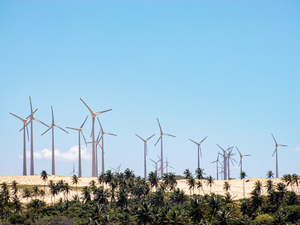
What makes California’s climate strategy unique is its pragmatic approach. Since 2000, the state has reduced greenhouse gas emissions by 21% while simultaneously growing its economy by 81%. In 2023, California became the largest economy globally to be powered by two-thirds clean energy, demonstrating that environmental sustainability and economic prosperity aren’t mutually exclusive.
The state’s leadership is particularly crucial in a political landscape where federal commitment to climate action remains inconsistent. By co-founding the U.S. Climate Alliance and participating in international coalitions like the Under2 Coalition, California is proving that meaningful climate action doesn’t require waiting for national consensus.
As young people increasingly demand climate solutions, California’s model offers hope. By focusing on practical, innovative approaches to environmental challenges, the state is showing that local and regional governments can drive global change. Newsom’s Munich conference appearance wasn’t just a diplomatic mission, it was a statement that climate leadership can emerge from unexpected places.
The message is clear: real climate action happens when visionary leaders prioritize collaboration, innovation, and long-term thinking over short-term political gains.
AUTHOR: pw
SOURCE: gov.ca.gov