AI's Power Hungry Future: How San Jose Might Become the Grid's Biggest Challenge

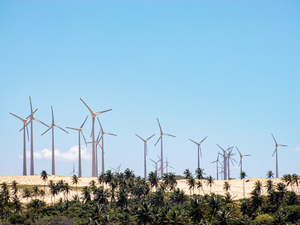
Photo by BoliviaInteligente on Unsplash
Silicon Valley is facing an unprecedented energy dilemma as artificial intelligence continues to expand its technological footprint. San Jose, the epicenter of tech innovation, could see its electricity consumption nearly triple in the coming years, driven by the insatiable power demands of data centers supporting AI technologies.
The city’s energy landscape is being dramatically reshaped by the surge in AI infrastructure, with Pacific Gas & Electric (PG&E) estimating massive increases in electricity capacity. This potential growth isn’t just a local issue, it’s a critical challenge for California’s clean energy goals and electrical grid stability.
Experts are sounding the alarm about the complex implications of this technological expansion. Liang Min from Stanford’s Bits & Watts Initiative warns that the rapid development of AI applications creates significant uncertainty in energy forecasting. The risks are substantial, with utilities reporting requests for up to 18.7 gigawatts of service capacity, far exceeding California’s current residential needs.
Environmental concerns are mounting alongside these power challenges. Data centers could potentially slow California’s transition to clean energy, with carbon emissions from these facilities nearly doubling between 2019 and 2023. The state’s commitment to 100% carbon-free electricity by 2045 now faces unprecedented pressure.
Local officials like Lori Mitchell from San Jose Clean Energy are cautiously approaching the situation, emphasizing the need to avoid over-procuring power before understanding which projects will actually materialize. Consumer advocates are also pushing for greater transparency, arguing that ratepayers shouldn’t bear the financial burden of speculative infrastructure upgrades.
The debate extends beyond San Jose, touching on broader questions about technological progress, environmental sustainability, and economic development. As AI continues to evolve, California must balance its tech leadership with responsible energy management, a challenge that could define the state’s technological and environmental future.
While the potential for innovation is exciting, the path forward requires careful navigation, balancing the immense potential of AI with the critical need for sustainable, affordable energy infrastructure.
AUTHOR: mls
SOURCE: NBC Bay Area