Super Bowl 60: How the Big Game Transformed Bay Area's Economy

Photo by Jorge Ramírez on Unsplash
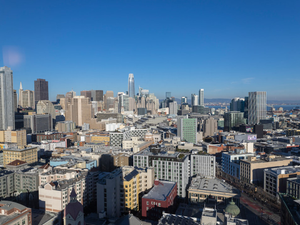
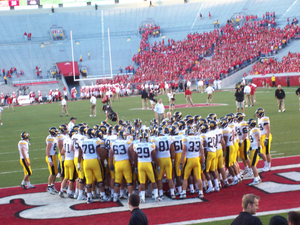
Last weekend, the Bay Area buzzed with energy as Super Bowl 60 descended upon Levi’s Stadium in Santa Clara, bringing an economic wave that swept through local businesses and communities. Bar owners like Jasbir Singh saw their revenues skyrocket, with some experiencing a staggering 250% increase in business during the event.
While the Bay Area Host Committee projected an impressive economic impact between $370 million and $630 million, economists like Stanford’s Roger Noll caution against taking these figures at face value. Noll argues that such estimates often overlook critical nuances, such as revenues going to national chains and potential negative impacts on local businesses.
The economic ripple effects were far from uniform across the region. San Francisco emerged as the primary beneficiary, potentially receiving between $250 million and $440 million, compared to Santa Clara County’s $100 million to $160 million. Downtown San Jose alone saw a remarkable 25% increase in visitors during Super Bowl week, with hotel occupancy jumping 21% and revenue rising 45%.
Beyond pure economics, the event offered intangible benefits. Santa Clara Mayor Lisa Gillmor highlighted the global exposure for Silicon Valley, hoping the successful hosting will attract future tourism and business investments. The Santa Clara Valley Transportation Authority even set a new daily light rail ridership record, transporting over 30,000 people to stadium events.
However, hosting such a massive event isn’t without costs. Santa Clara anticipates reimbursing approximately $6.4 million in event-related expenses, while San Francisco set aside $4 million to cover associated costs. These investments raise important questions about the true economic impact of mega-sporting events.
As the dust settles on Super Bowl 60, one thing remains clear: the Bay Area demonstrated its capacity to host world-class events, potentially setting the stage for future economic opportunities and global recognition.
AUTHOR: rjv
SOURCE: The Mercury News