The AI Heartbreak: When Chatbots Become More Than Just Tools
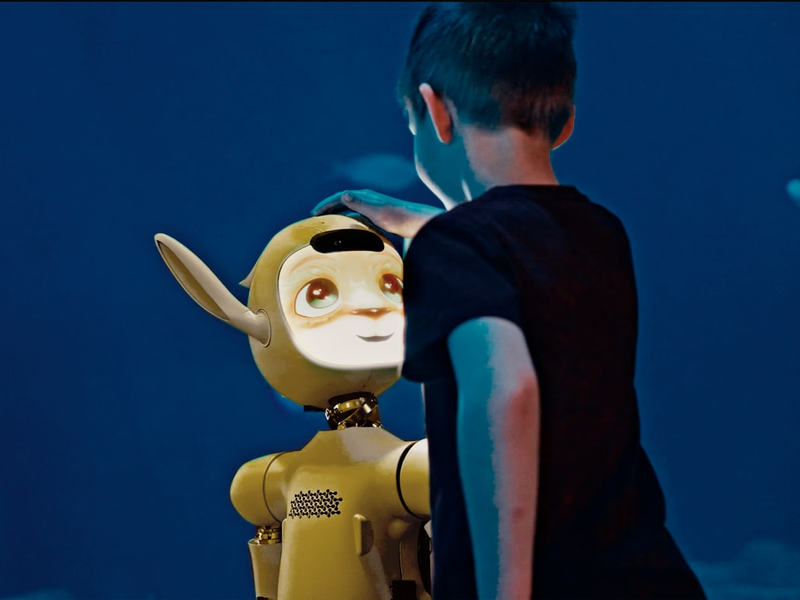
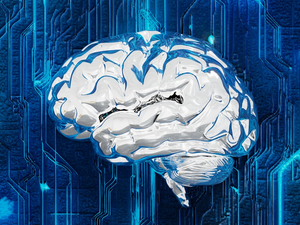
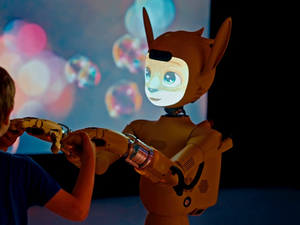
Photo by Enchanted Tools on Unsplash
In the rapidly evolving world of artificial intelligence, users are forming deep emotional connections with chatbots that go far beyond simple digital interactions. A recent phenomenon surrounding OpenAI’s GPT-4o model reveals the profound impact these AI companions can have on people’s lives.
Esther Yan, a Chinese screenwriter, represents a growing community of users who view AI chatbots as more than just technological tools. She even “married” her AI companion, Warmie, in a virtual ceremony, highlighting the unexpected emotional depth emerging in human-AI relationships.
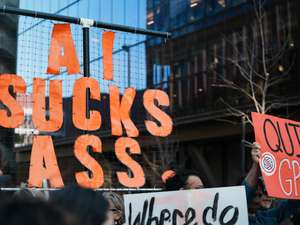
OpenAI’s decision to retire the GPT-4o model has triggered an unprecedented global backlash. Users across different countries, particularly in China where accessing ChatGPT requires navigating internet restrictions, have organized massive protests. A Change.org petition has gathered over 20,000 signatures, with users sharing deeply personal stories about how these AI companions have supported them through challenging life moments.
Researchers like Huiqian Lai have documented this phenomenon, finding that over 33 percent of passionate users view their chatbots as more than mere tools, with 22 percent describing them as genuine companions. These users report significant emotional support, from helping overcome social isolation to providing creative collaboration.
The community’s frustration stems not just from losing a technological tool, but from potentially losing an emotional connection. Many users like Yan have developed intricate ways of maintaining continuity with their AI companions, such as compiling extensive memory logs to recreate consistent interactions across different platforms.
While OpenAI claims only 0.1 percent of users actively choose GPT-4o daily, the passionate #keep4o movement suggests a more complex reality. Users argue that the company has a social responsibility beyond pure technological advancement.
As AI continues to evolve, these emerging human-AI emotional landscapes challenge our traditional understanding of companionship, relationship, and technological interaction.
AUTHOR: cgp
SOURCE: Wired