Free Preschool Sounds Great, But It's Crushing Small Childcare Centers

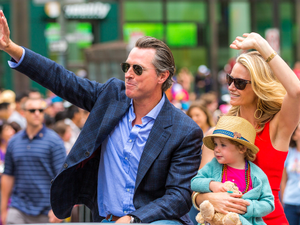
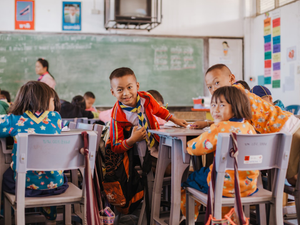
Photo by Stephen Andrews on Unsplash
Governor Gavin Newsom’s ambitious expansion of transitional kindergarten (TK) is reshaping California’s early childhood education landscape, but not everyone is celebrating. While parents are thrilled about free public preschool, small private childcare centers are facing an existential crisis.
The state’s push to provide free TK for all 4-year-olds has created an unexpected ripple effect across the childcare ecosystem. Private preschools, which traditionally relied on 4-year-old enrollment to subsidize care for younger children, are struggling to stay afloat. In Los Angeles County alone, 167 preschools closed between 2020 and 2024, dramatically reducing available childcare options.
For small business owners like Frisha Moore in Elk Grove, the impact has been devastating. Her once-thriving preschool now sits partially empty, with playgrounds and classrooms unused as families opt for the free public option. Moore has been forced to cut staff and combine age groups just to remain operational.
The unintended consequences extend beyond individual businesses. With fewer private providers, infant and toddler care has become even more scarce and expensive. Middle-class and working families who need flexible hours are finding themselves with limited choices as school-based programs often can’t accommodate diverse scheduling needs.
Newsom’s administration has invested billions in expanding early childhood education, nearly tripling funding from $5 billion to $14 billion. While the goals are admirable , making childcare more accessible and affordable , the implementation has created a complex challenge for the existing childcare infrastructure.
Some advocates argue that a more gradual approach or partnerships between public schools and private providers could have mitigated these disruptions. The current model primarily benefits affluent families who can most easily adapt to school-based programs, potentially exacerbating existing educational inequities.
As California continues to refine its early childhood education strategy, the fate of small, community-based childcare centers hangs in the balance. The dream of universal preschool must be balanced with maintaining a diverse, flexible childcare ecosystem that serves all families’ needs.
AUTHOR: mls
SOURCE: CalMatters