AI Glasses: Your Future Secret Weapon or Just Another Tech Gimmick?
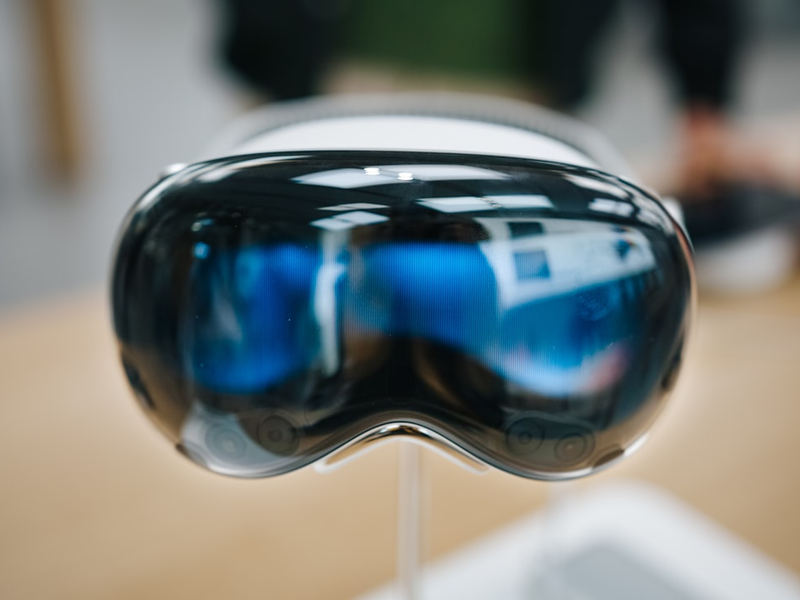
Photo by Sam Grozyan on Unsplash
Mark Zuckerberg is doubling down on his vision that AI glasses will revolutionize how we interact with technology, and he’s not holding back on bold predictions. During Meta’s recent earnings call, the tech mogul argued that people without AI-enabled eyewear might soon find themselves at a significant cognitive disadvantage.
The Meta CEO believes glasses represent the ideal form factor for AI integration, allowing continuous visual and auditory input throughout the day. His latest Ray-Ban and Oakley smart glasses already offer features like music playback, photo/video capture, and real-time AI interactions about what users are seeing.
Meta’s Reality Labs division has invested heavily in this technology, though not without financial challenges. The division has reportedly lost nearly $70 billion since 2020, making Zuckerberg’s commitment to this vision both ambitious and financially risky.
While Meta pushes forward, other tech giants are exploring alternative AI interaction methods. OpenAI recently acquired a design startup for $6.5 billion to explore potential consumer AI devices. Startups like Humane have already experimented with AI pins and pendants, though with mixed success.
Zuckerberg sees these glasses as more than just a technological accessory. He views them as a critical tool for blending physical and digital experiences, potentially transforming how we perceive and interact with our environment. “Glasses are going to be the ideal way to blend the physical and digital worlds together,” he stated.
The growing market seems to validate his perspective. Sales of Ray-Ban Meta glasses have more than tripled year-over-year, suggesting growing consumer interest in wearable AI technology.
As the tech landscape continues evolving, one thing remains clear: the way we interact with technology is rapidly changing. Whether AI glasses become the next smartphone or another forgotten tech trend remains to be seen.
AUTHOR: mp
SOURCE: TechCrunch