Facebook Dodges Antitrust Bullet: Why Meta's Legal Win Matters
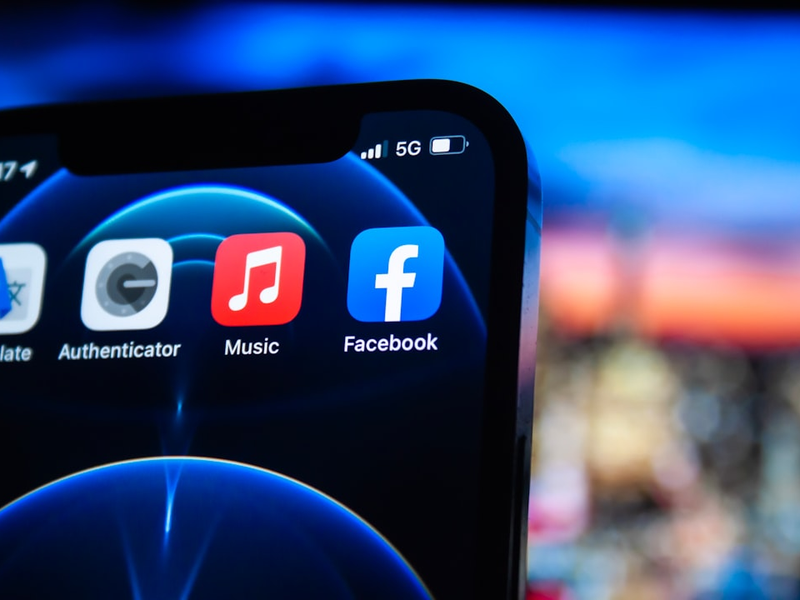
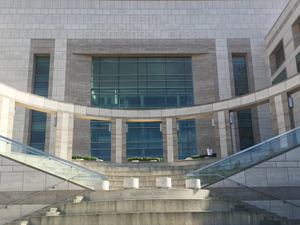
Photo by James Yarema on Unsplash
In a landmark decision that could reshape the tech industry’s future, a federal judge has sided with Meta, dismissing the Federal Trade Commission’s long-standing antitrust case against the social media giant.
The ruling, delivered by US District Judge James Boasberg, effectively clears Meta from being forced to divest Instagram and WhatsApp, two platforms the company acquired for billions of dollars over a decade ago. This decision hinged on a crucial argument: the social media landscape has dramatically transformed since those acquisitions.
The FTC had argued that Meta deliberately purchased these platforms to neutralize potential competitive threats, maintaining a monopolistic grip on social media. However, the judge rejected this narrative, pointing out that the current digital ecosystem is far more complex and competitive than it was in 2012 and 2014 when the acquisitions occurred.
Competitors like TikTok, Twitter, Snapchat, and YouTube have fundamentally altered how people share and consume content online, effectively challenging Meta’s perceived market dominance. Meta’s legal team skillfully argued that Instagram and WhatsApp were not particularly successful before Facebook’s intervention and that the company’s strategic investments drove their growth.
Mark Zuckerberg’s company celebrated the ruling, stating it “recognizes that Meta faces fierce competition” in today’s marketplace. The decision represents more than just a legal victory; it signals a potential shift in how regulatory bodies perceive tech giants and their market strategies.
This ruling follows similar recent antitrust investigations into other tech companies like Google, which faced scrutiny over its web search and advertising practices. While those cases resulted in different outcomes, they collectively demonstrate the increasing judicial and regulatory attention on big tech’s market behaviors.
For young professionals and tech enthusiasts in the Bay Area, this decision underscores the dynamic and rapidly evolving nature of the digital landscape. It highlights how quickly technological platforms can rise, fall, and compete in an increasingly complex global marketplace.
As Meta moves forward, the company seems poised to continue its strategic expansion, now with a renewed legal validation of its business approach. The antitrust battle might be over, but the competition in social media is far from settled.
AUTHOR: kg
SOURCE: SFist