LeBron James Takes a Stand Against AI Deepfakes Gone Wrong
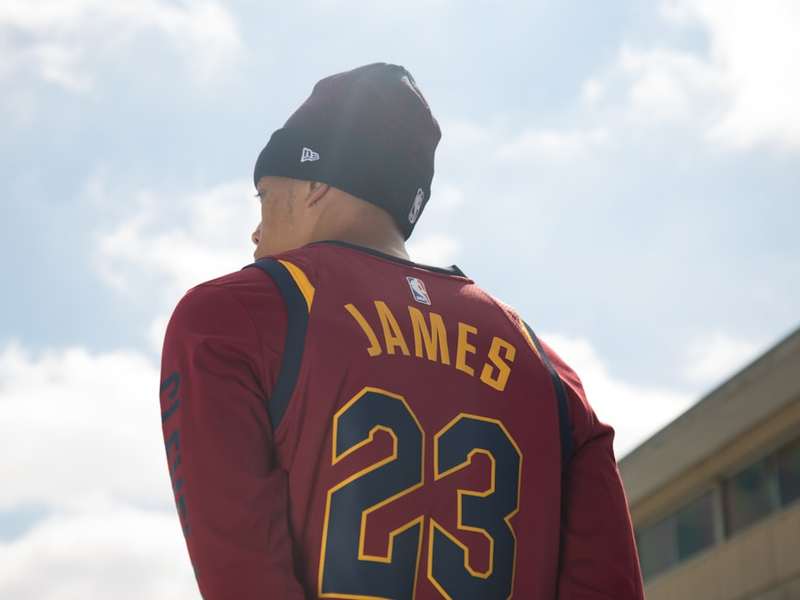
Photo by Project 290 on Unsplash
NBA superstar LeBron James is making waves in the tech world by taking legal action against an AI company that generated bizarre and inappropriate deepfake videos featuring his likeness. In a bold move, James’ legal team issued a cease-and-desist letter to FlickUp, the company behind the Interlink AI image-generation tool.
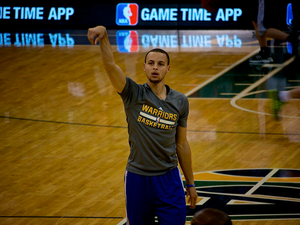
The controversy centers around AI-generated videos that crossed ethical boundaries, including one depicting James with a pregnant belly and another involving disturbing scenarios with other NBA players. The most shocking video reportedly garnered over 6.2 million views on Instagram, featuring a simulated violent scenario involving Sean “Diddy” Combs and Stephen Curry.
FlickUp’s founder, Jason Stacks, quickly responded to the legal pressure by removing all realistic people from the Interlink AI software within just 30 minutes of receiving the cease-and-desist letter. Stacks’ immediate reaction underscores the serious implications of unauthorized AI-generated content.
James isn’t alone in this fight. Celebrities like Taylor Swift, Scarlett Johansson, and Steve Harvey have also spoken out against the misuse of their images through AI technology. However, James stands out as one of the first high-profile athletes to take formal legal action against a company enabling such inappropriate content.
The incident highlights growing concerns about AI technology’s potential for creating nonconsensual and harmful content. In response, several bills are currently being considered in Congress to address these issues. The Take It Down Act has already criminalized the publication of intimate imagery without consent, while proposed legislation like the NO FAKES Act and the Content Origin Protection and Integrity from Edited and Deepfaked Media Act aim to provide further protections for individuals.
As AI technology continues to evolve, James’ actions represent a crucial stand against the unauthorized and potentially harmful use of personal likeness, sending a clear message about the importance of consent and ethical boundaries in the digital age.
AUTHOR: rjv
SOURCE: Mashable