The Dark Side of Social Media's Wellness Obsession: When Influencers Become Your Doctor
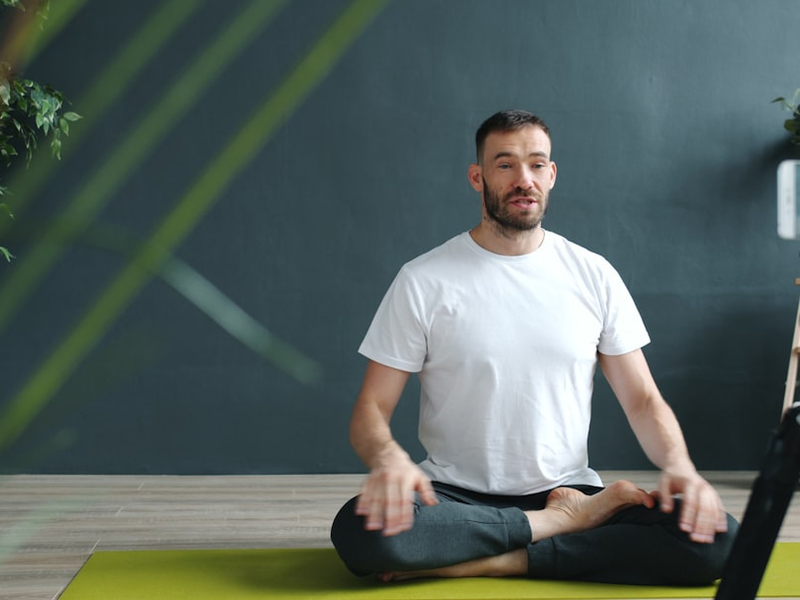
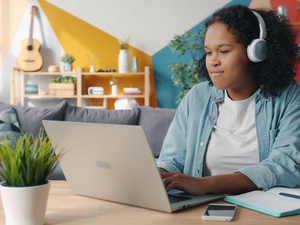
Photo by Vitaly Gariev on Unsplash
Scrolling through TikTok and Instagram, you’ve probably seen them: wellness influencers promising miraculous cures for everything from mood swings to immune system issues, armed with nothing more than trendy products and charismatic personalities. These digital health gurus are increasingly positioning themselves as alternative medical experts, dispensing advice and selling solutions without any formal medical training.
The rise of social media wellness culture has created a billion-dollar industry where personal brand and aesthetic often trump scientific evidence. Influencers leverage their massive followings to promote supplements, skincare routines, and lifestyle products that claim to solve complex health problems, all without professional medical oversight.
What makes this trend particularly dangerous is the vulnerable audience it targets. Young people, especially those struggling with mental health, body image, or chronic conditions, are particularly susceptible to these seemingly compassionate yet unqualified health recommendations. The carefully curated content makes complex health issues appear simple and solvable with just a few product purchases.
Experts warn that this trend can lead to serious misconceptions about health. While some wellness advice might seem harmless, it can discourage individuals from seeking professional medical care, potentially delaying critical diagnoses or treatments. The aesthetic-driven nature of these platforms means that visually appealing content often takes precedence over scientific accuracy.
Moreover, the economic incentives driving these recommendations are rarely transparent. Many influencers receive significant compensation for promoting products, creating a conflict of interest where their financial gain might supersede genuine health concerns. This commodification of wellness turns personal health into a marketable experience, divorced from genuine medical expertise.
As consumers, it’s crucial to approach these wellness trends critically. Consulting licensed healthcare professionals, relying on peer-reviewed research, and maintaining a healthy skepticism towards miracle solutions can help navigate this complex digital health landscape. Your well-being deserves more than an algorithmic recommendation.
AUTHOR: cgp
SOURCE: Wired