Breaking: California Gig Workers Are Finally Getting Their Union Power
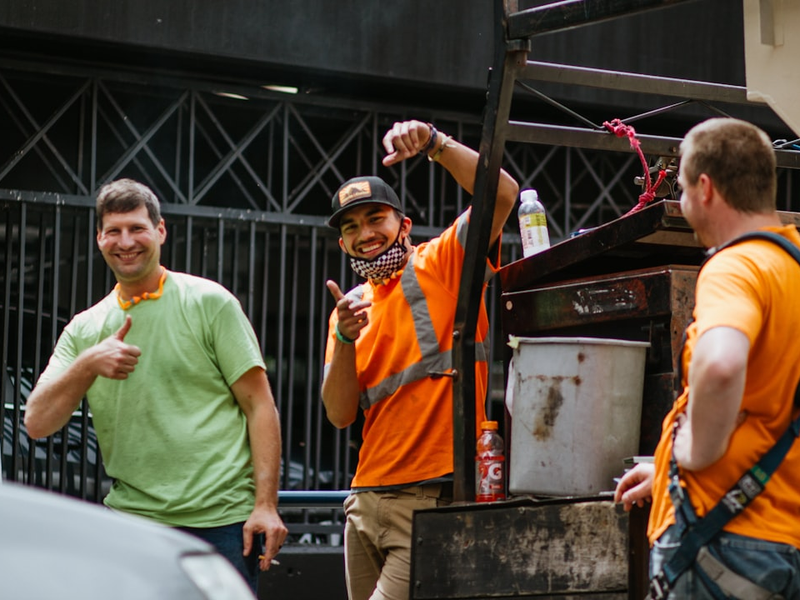
Photo by Gabe Pierce on Unsplash
In a groundbreaking move, California has paved the way for app-based drivers to unionize, marking a significant victory for gig workers across the state. Governor Gavin Newsom, alongside Senate President Pro Tem Mike McGuire and Assembly Speaker Robert Rivas, announced support for two key pieces of legislation that will fundamentally transform the ride-hailing industry.
The new agreement creates a pathway for drivers to collectively bargain, addressing long-standing concerns about worker classification and rights. For years, companies like Uber and Lyft have classified drivers as independent contractors, effectively denying them traditional employee protections and the ability to negotiate working conditions.
Margarita Peñalosa, a gig driver from Los Angeles, powerfully articulated the challenges faced by workers: “Some drivers fear getting deactivated and losing their jobs, so we often feel pressured to stay silent instead of demanding fair treatment. No one should have to risk their livelihoods just for asking to be treated fairly”.
The legislation, Assembly Bill 1340 and Senate Bill 371, represent a compromise between labor advocates and tech companies. In exchange for creating a unionization framework, California regulators will support reducing certain insurance coverage mandates that ride-hailing companies argue contribute to higher fares.
This development follows years of contentious battles, including the $200 million campaign by gig companies to pass Proposition 22, which previously maintained drivers’ independent contractor status. The new agreement signals a significant shift in how tech platforms approach worker rights.
While California leads the way, this could potentially inspire similar initiatives in other states. Massachusetts has already approved a comparable measure in 2024, suggesting a growing national movement towards recognizing gig workers’ collective bargaining rights.
For countless workers like Peñalosa, this legislation represents more than policy, it’s a path to dignity, fair compensation, and a stronger voice in an industry that has long marginalized its workforce.
AUTHOR: pw
SOURCE: TechCrunch