Latino Families at Chase Hotel Are Done Living in Fear—And They're Speaking Out
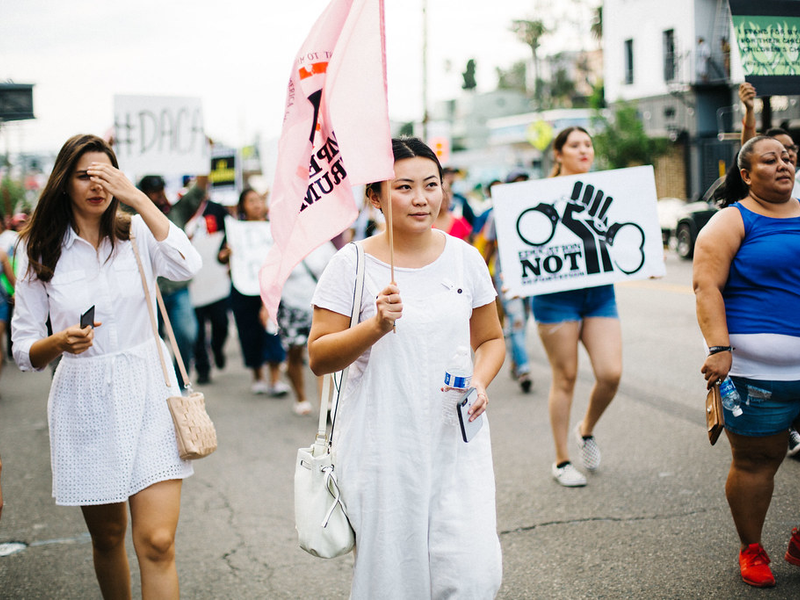
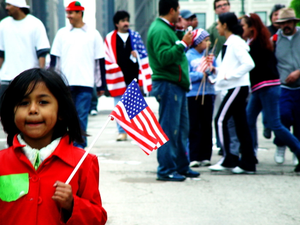
Photo by mollyktadams | License
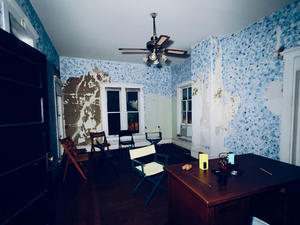
On a cold January morning, a group of Latino residents, including a pregnant woman and parents with their kids, walked three blocks from the Chase Hotel on Market Street to San Francisco’s Department of Building Inspection to testify about the horrifying conditions where they live. For years, these families had silently endured mold, cockroach infestations, rodent droppings, and broken safety systems. But this time, they were ready to demand change.
The Chase Hotel’s problems weren’t new. Over the past four years, tenants had reported issues that one resident described as “deplorable”. What was new, though, was residents finally feeling brave enough to speak up publicly, and having support to do it. Organizers from the SRO Collaborative Program, a city-funded initiative supporting low-income single-room occupancy residents, helped families prepare for the hearing and provided language interpretation.
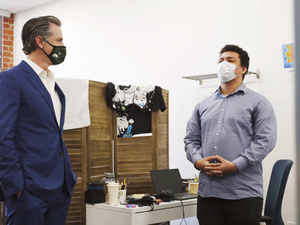
Miguel Carrera, the lead housing justice organizer at the Coalition on Homelessness and SRO Collaborative Families United, accompanied the residents. “We want to testify and clarify how difficult it is for the families and children living in these conditions,” he said as he introduced the speakers. Each resident approached the podium cautiously, fear hadn’t completely disappeared.
For years, Latino tenants at the Chase Hotel stayed silent for a reason. Many were afraid of retaliation from management. Others worried about drawing attention to themselves amid heightened immigration enforcement under the Trump administration. Some families said they’d rather live with bed bug bites and mold infections on their children’s skin than risk upsetting a landlord and losing their homes. When one parent discovered bed bugs covering their child’s arm, they never reported it to management, fearing eviction more than their kid’s health.
Language barriers made things worse. The on-duty manager speaks Tagalog and English, while most families speak only Spanish. Residents had to rely on bilingual janitorial staff to relay complaints, creating confusion about how to report problems. Meanwhile, management had been flexible on late rent payments, something families worried could change if they spoke out.
But community organizing can shift things. The January hearing marked the first time the city escalated enforcement at Chase Hotel, issuing an order of abatement and threatening liens on the property if violations weren’t fixed by a deadline. The building owner blamed tenants for cooking in units but couldn’t explain why he claimed not to know that carbon monoxide detectors were required, despite being cited for that same violation back in 2019.
The SRO Collaborative has helped over 500 families transition out of supportive housing over the last five years. Carrera and organizers like Solange Cuba, the organizer-director of the Coalition on Homelessness, recognize that Latino communities have strength when they come together. “Latino families take care of each other,” Cuba said. “When you talk to one of them and you get somebody, they will talk to each other. So in that way, they protect themselves”.
For the families still living at Chase Hotel, this hearing represents something bigger than just fixing mold and pests. It’s proof that speaking up, even when you’re terrified, can actually make the city listen and take action.
AUTHOR: cgp
SOURCE: San Francisco Public Press