California Teachers Are Staging a Coordinated Strike Wave—And It's Working
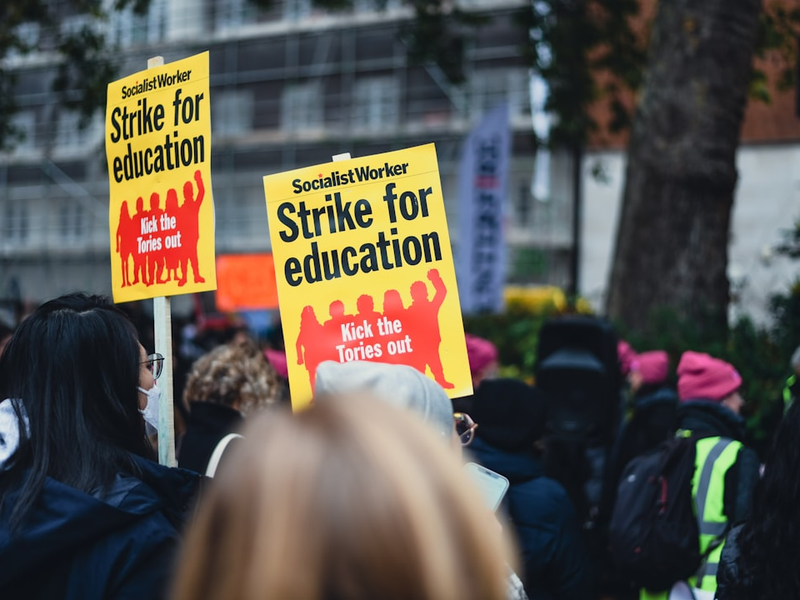
Photo by Bao Menglong on Unsplash
If you’ve got kids in California public schools, you’ve probably already dealt with a teacher strike or you’re about to. And honestly? It’s not random. Thousands of K-12 teachers across the state have walked off the job or voted to strike over the past few months as part of a deliberate, statewide strategy by the California Teachers Association to push for better pay, benefits, and working conditions.
David Goldberg, president of the California Teachers Association, is pretty straightforward about it. “All these districts going out on strike, it’s not a coincidence at all,” he said. “Everywhere in the state there are people with unmet needs. The conditions have been ripe for a long time”. The union, which represents about 310,000 teachers, spent years getting ten local teachers unions to align their contract expiration dates to June 30, 2025, basically creating a domino effect of negotiations and potential strikes across the state.
San Francisco teachers struck for four days last month. West Contra Costa went on strike in December. Teachers in LA, Oakland, Dublin, and a bunch of other districts have voted overwhelmingly to strike, though Oakland teachers recently reached a tentative deal. The demands are consistent across districts: higher salaries, better benefits, and support for student well-being like sanctuary protections for immigrant families. When you think about California’s insane cost of living, it makes total sense. San Francisco starting teachers make around $80,000, while the city’s starting police officers pull in about $120,000. That gap is basically saying “we don’t value teaching”.
But here’s the complicated part: school districts are actually struggling financially. Enrollment is dropping, especially in cities, which means less funding from the state since money follows students. Districts are also scrambling after pandemic relief money dried up. Some districts, including LA, San Diego, and San Francisco, used those federal grants to permanently boost teacher pay instead of temporary programs, which was probably not the smartest long-term financial move.
If districts cave to teacher demands without finding new revenue sources, something has to give. That usually means cuts to programs like sports, electives, and art classes, the stuff that actually makes school bearable for most kids. Newer teachers and classroom aides could get laid off. And here’s the brutal part: low-income students get hit hardest because they depend on school programs more and are more likely to have newer teachers. They’re also more vulnerable to strike disruptions since their families often have fewer childcare options.
Parent advocacy groups are caught in the middle. They want teachers to earn decent money, but they’re also worried about what comes next for their kids. After San Francisco’s strike ended with a $183 million settlement, parents are already bracing for layoffs and bigger class sizes. The district plans to drain its reserves to pay for the raises, which isn’t exactly a sustainable strategy.
The real issue is that teachers’ salaries are ultimately a state problem, not just a district one. California needs to decide how much it actually values public education, and right now, the answer isn’t looking great.
AUTHOR: mls
SOURCE: Local News Matters