Ro Khanna's Wealth Tax Stance Is About to Cost Him Big in Silicon Valley
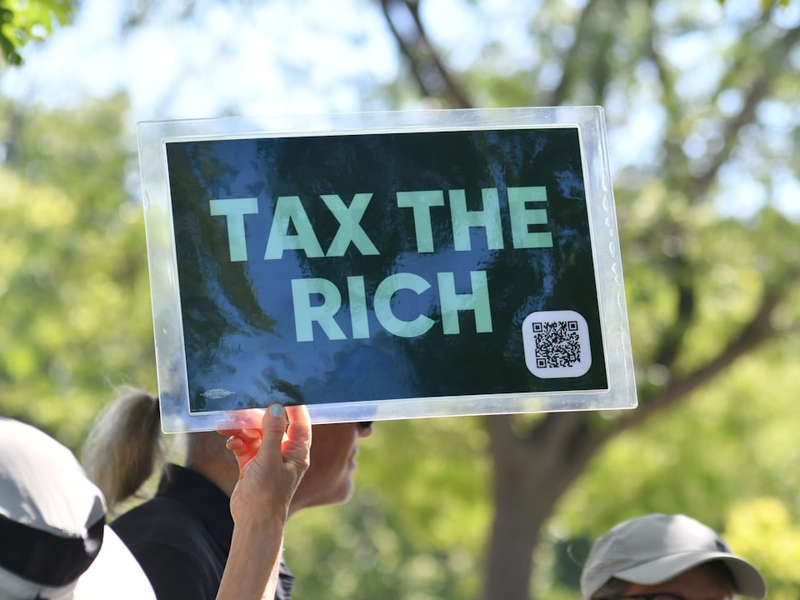
Rep. Ro Khanna is learning the hard way that championing tax-the-rich policies doesn’t play well with the billionaires who bankroll Silicon Valley politics. His recent support for California’s proposed 5% wealth tax on the ultra-wealthy has sparked a primary challenge from tech entrepreneur Ethan Agarwal, 40, who’s banking on backing from some of the Valley’s most powerful tech moguls.
It’s a David versus Goliath situation on paper, Khanna boasts a war chest of nearly $15.5 million and a national profile as a progressive firebrand. But Agarwal isn’t coming empty-handed. He’s already locked in support from heavy hitters like Garry Tan, CEO of Y Combinator, and venture capitalist Chamath Palihapitiya, who recently declared he hopes Khanna “loses his reelection badly”. Palihapitiya pulled no punches in his criticism, saying he was “completely shocked at how easily Ro betrayed his constituents”.
The wealth tax proposal was supposed to target California’s billionaires with a one-time levy, but it’s become the flashpoint in a larger conversation about who Khanna actually represents. Agarwal frames the tax support as the latest in a series of moves that have alienated tech executives, including Khanna’s involvement in Bernie Sanders’ 2020 campaign and his calls to regulate artificial intelligence.
What’s particularly spicy about this race is the hypocrisy angle Agarwal is pushing. Despite campaigning on reducing inequality, Khanna made over $55 million in stock trades last year, according to advocacy groups tracking his financial activity. The congressman claims those trades are handled by an independently managed trust, but it’s still a weak look when you’re positioning yourself as champion of the working person.
Khanna, 49, is trying to have it both ways, maintaining his progressive credentials nationally while also reassuring the tech industry that he’s not actually trying to tank the “innovation miracle” of Silicon Valley. After the initial backlash, he started floating alternative proposals and even tried to broker a meeting between tech leaders and labor groups to find compromise on the wealth tax.
This June primary will be a real test of whether Khanna can survive when his two worlds collide. On one side, there’s his national ambitions (he’s being floated as a potential 2028 presidential candidate) and his commitments to progressive causes. On the other side, there’s the reality that Silicon Valley’s wealth and power can’t be ignored if you want to represent one of the country’s richest congressional districts.
Agarwal’s also planning to appeal to the South Asian community that Khanna already counts as a core part of his base, making this a fight for both ideology and identity. For a district like California’s 17th, where inequality is skyrocketing even as overall wealth explodes, the stakes are higher than just one election, it’s about what kind of representation actually serves regular people versus protecting billionaire interests.
AUTHOR: pw
SOURCE: The Mercury News