A California Condor Just Laid Its First Wild Egg in Northern California in 100 Years—And We're Cautiously Stoked
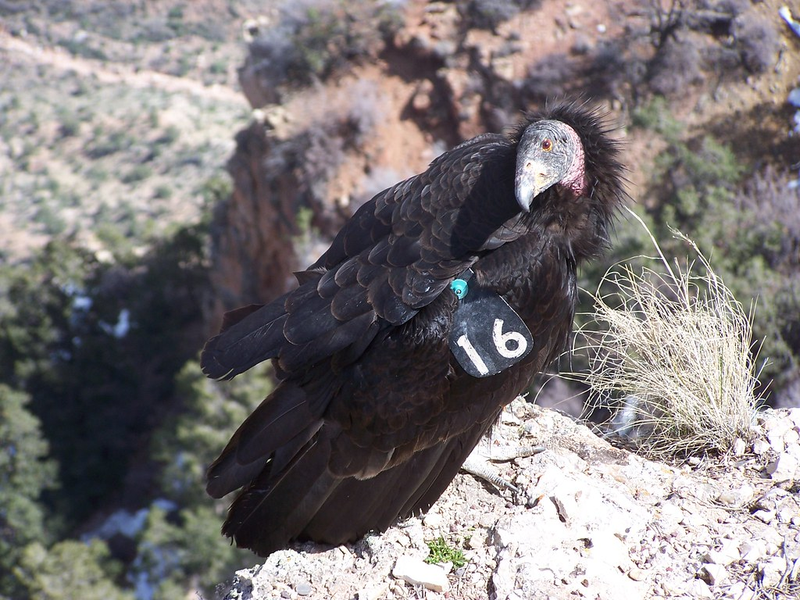
After more than a century without a California condor egg in the wild in Northern California, scientists monitoring the endangered birds just detected what might be the real deal. A pair of six-year-old condors named Ney-gem’ 'Ne-chween-kah (A0) and Hlow Hoo-let (A1) appear to be tending to an egg tucked inside a cavity of an old-growth redwood tree in Humboldt County’s remote Redwood Creek drainage. The Northern California Condor Restoration Program, being run by the Yurok Tribe, announced the milestone this week based on flight data and behavioral patterns, though the nesting site is so remote that scientists can’t actually confirm the egg visually.
The pair were part of a group of 26 condors raised in captivity and released into the wild as juveniles back in 2022 in Redwood National and State Parks. GPS tracking shows the male and female taking turns sitting on the egg, staying so still that their lack of activity actually triggered mortality alerts. It’s kind of adorable, honestly.
But let’s pump the brakes for a second. The odds that this first egg from these inexperienced parents will actually hatch into a viable chick are statistically pretty low. Condor chicks born in the wild have a high mortality rate, which is exactly why conservationists have been raising hatchlings in captivity before releasing them into the world. Even Chris West, the Northern California Condor Restoration Program manager, acknowledged he knows “the odds”, but said he’s still “optimistic”.
Yurok Wildlife Department Director Tiana Williams-Claussen captured the vibe perfectly: “As a scientist, I know I shouldn’t get my hopes up too high, but that doesn’t mean I can’t cheer for these young parents’ success”.
The last successful wild condor birth in California happened in Big Sur back in 2009, when a bird named Miracle was born. She and her mate Nomad had their own chick in 2017, becoming the first second-generation condors born in the wild. That chick, Vincent, died at age eight in December, which is a harsh reminder of how fragile this whole restoration project really is.
Here’s the bigger picture: California condors are the largest North American land birds and can live up to 60 years old. But they typically only lay one egg per breeding season, and they don’t reach sexual maturity until age six. There are roughly 565 condors alive today, about 350 in the wild split between Arizona and California, and the rest in captivity at places like the San Diego and LA zoos. That’s a huge improvement from the mid-1980s when only 22 existed.
One major threat? Lead poisoning from bullet fragments in animal carcasses that condors scavenge. The Oakland Zoo has been treating condors with lead poisoning, but it’s an ongoing battle. So yeah, this potential new egg represents real hope for the species, but we’re keeping our expectations realistic for now.
AUTHOR: tgc
SOURCE: SFist