Birding for Everyone: How the Bay Area Can Make Nature More Accessible
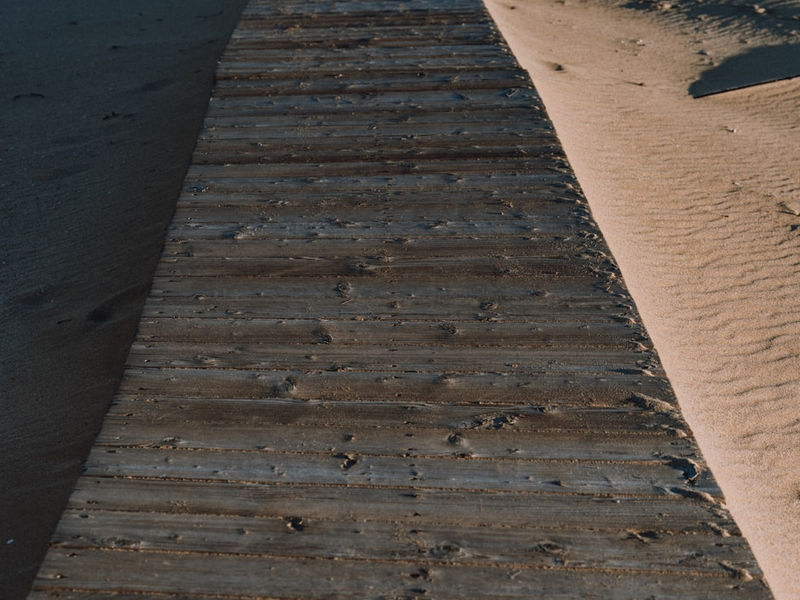
Photo by Antonia Glaskova on Unsplash
If you’ve ever wanted to get into birding but thought your mobility issues, chronic illness, or disability might hold you back, think again. A growing movement across the country is proving that birdwatching isn’t just for the able-bodied competitive types obsessed with checking off species lists. It’s for literally everyone.
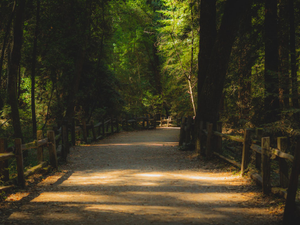
Marcia OBara, a retired nurse leading accessible birding walks in Tucson, Arizona, has been showing people what inclusive birdwatching actually looks like. She wears an oxygen pack on her back due to COPD while guiding groups through nature at their own pace, no pressure, no competition. What makes these walks different? OBara ensures trails are flat and easy to navigate, bathrooms are wheelchair accessible, and there’s plenty of shade and water available. She keeps things moving at a comfortable speed for everyone involved.
“It’s an opportunity for people to get out and see birds without pressure, no matter how long it takes or how many birds we see,” OBara explained. For people with disabilities, traditional birding groups can feel isolating when experienced birders are racing to spot as many species as possible. OBara gets it, she used to work in rehabilitation and knows what accessibility actually requires.
This movement isn’t new. Virginia Rose, a wheelchair user since age 14, founded Birdability back in 2018 to make birding truly accessible for everybody. Today, the organization partners with the National Audubon Society to compile crowdsourced maps of accessible birding locations nationwide. They also provide resources like binocular harnesses (which are gentler on your shoulders and neck) and apps that help blind birders identify bird calls.
The beauty of accessible birding is that it doesn’t require hiking miles on rugged trails. You can bird from your car window, from a canoe on a river, from your back deck with coffee in hand, or even through your kitchen window. For blind birders like Jerry Berrier, a 73-year-old from Massachusetts who’s been blind since birth, the experience centers on identifying birds by their calls and songs. Berrier even organized the first national bird-a-thon for blind enthusiasts, which drew hundreds of participants last year and is going international in May.
“A disability can be very isolating,” Berrier said, highlighting why these communities matter. Birding brings people together outdoors, creates genuine community connections, and reminds participants that nature is for everyone.
For those of us in the Bay Area looking to get outside and experience nature without judgment or pressure, accessible birding groups are popping up in our region too. The key is reaching out to local organizations and being honest about what you need. Because whether you’re using a mobility scooter, managing a chronic illness, navigating vision loss, or dealing with any other disability, there’s a birding community ready to welcome you.
AUTHOR: cgp
SOURCE: The Mercury News