A Chinese Startup Just Raised $21M to Bring Brain Interface Tech to the Masses
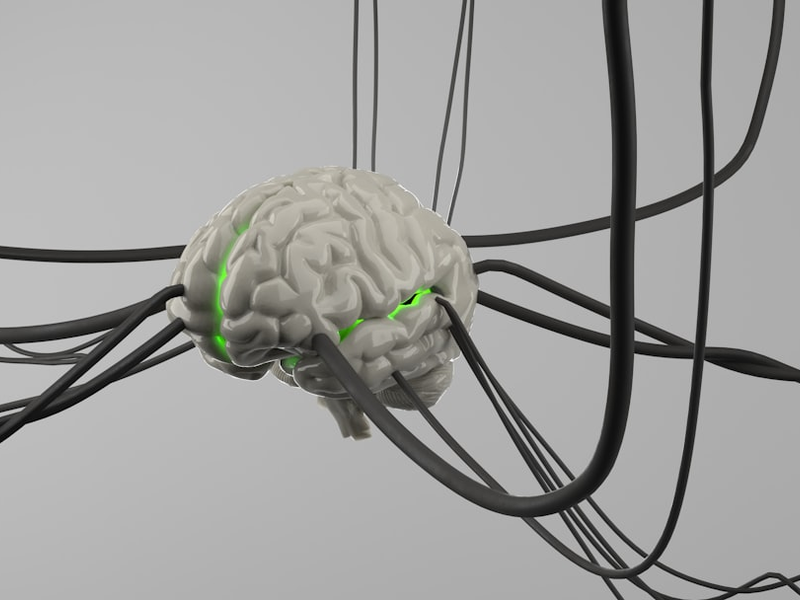
Photo by Bhautik Patel on Unsplash
While Elon Musk’s Neuralink and other U.S. companies dominate headlines with their brain-computer interface (BCI) breakthroughs, a Chinese startup called Gestala just pulled off something pretty wild: raising $21.6 million in funding just two months after launching. Yeah, you read that right, this company barely exists and it’s already drowning in investor cash.
Gestala is working on non-invasive ultrasound-based brain tech, which is basically a way to read and stimulate your brain without having to crack open your skull. The startup was founded by serial entrepreneur Phoenix Peng, who’s also building another BCI company called NeuroXess on the side. The new funding round was oversubscribed, meaning investors wanted to throw even more money at them than the company was asking for, commitments totaled over $58 million.
Here’s why this matters: most existing BCI tech requires brain surgery, which is a pretty major barrier to adoption when you’re trying to get regular people to use your product. Gestala’s ultrasound approach could change that. The technology can monitor way more of your brain than implanted electrodes, including the deep neural circuits that are tough to reach otherwise. Plus, it can stimulate or suppress brain activity without the need for surgery at all.
The company is betting big on medical applications first. Their main focus is chronic pain management, something that affects millions of people in both the U.S. and China. Early research suggests ultrasound stimulation can seriously reduce pain levels. They’re also exploring treatments for depression, PTSD, autism, OCD, stroke recovery, Alzheimer’s, and Parkinson’s disease. Most of these are still in early research phases, but they’ve got their sights set high.
What’s interesting is how Gestala plans to compete globally. The startup is leveraging China’s manufacturing advantages and clinical research capacity to move faster than Western competitors. They can run clinical trials at 20 to 33 percent of what comparable studies cost in the U.S. or Europe. They’re also building what they call an “Ultrasound Brain Bank”, basically a massive dataset of brain imaging to train AI models that can decode brain signals.
Peng is optimistic about U.S.-China collaboration despite rising tensions, arguing that both countries bring different strengths to deep-tech research. China has the infrastructure and scale, while the U.S. has the scientific talent. If they could actually work together on this stuff, it could accelerate breakthroughs for everyone.
The startup is planning to expand from 15 employees to about 35 by the end of the year and aims to complete its first-generation prototype by then too. This is shaping up to be one of the most competitive spaces in tech, and it looks like China isn’t playing around.
AUTHOR: mp
SOURCE: TechCrunch