Border Patrol's Hidden Camera Network Is Tracking Your License Plate. And California Just Approved It
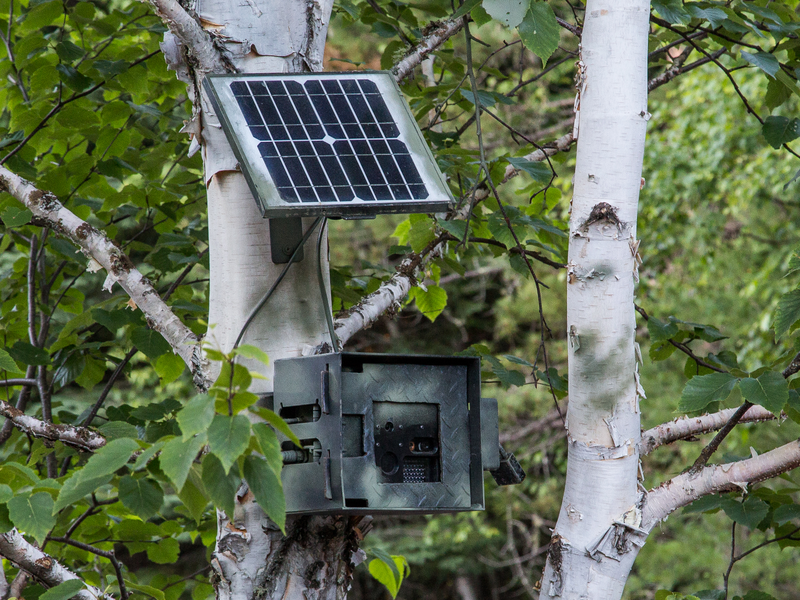
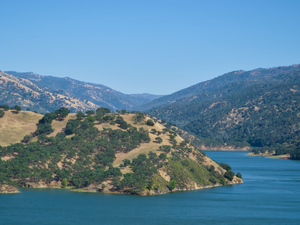
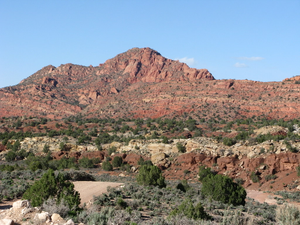
James Cordero was cruising along a remote stretch of Old Highway 80 near Jacumba Hot Springs when he spotted something odd: an abandoned trailer on the roadside. Inside, he found a hidden camera, one of dozens he’d soon discover scattered across San Diego and Imperial counties. These aren’t your average traffic cams. They’re automated license plate readers (ALPRs) operated by Border Patrol, quietly logging the license plates of every driver passing through California’s border region.
Here’s the kicker: California’s Department of Transportation approved these surveillance devices. Between 2015 and 2024, Caltrans green-lit eight permits for federal agencies like Customs and Border Protection and the DEA to install license plate readers on state highways. As many as 40 of these hidden cameras are now feeding data into Trump administration databases, and civil liberties advocates are not happy about it.
The Electronic Frontier Foundation, a San Francisco-based privacy organization, has mapped out these covert readers and is calling on Governor Newsom to revoke the permits. Their argument? The devices bypass California’s 2016 ALPR law, which actually has pretty solid protections for how law enforcement can use this technology. “They’re essentially bypassing the protections under California law”, said Dave Maass, director of investigations for EFF. “That is a backdoor around it”.
But here’s where it gets personal. Cordero volunteers with Al Otro Lado, a nonprofit that leaves water, food, and supplies for migrants in the remote desert. He’s terrified that these cameras could be used to identify and track humanitarian workers. And his concerns aren’t unfounded, during Trump’s first term, federal prosecutors went after volunteers from “No More Deaths” for leaving supplies in the Arizona desert.
Then there’s the case of Sergio Ojeda’s grandmother. She’s a legal resident of Imperial Valley who was questioned by Border Patrol agents about her frequent trips to local casinos. An AP investigation revealed that Border Patrol feeds ALPR data into a predictive intelligence program that flags people for “suspicious” travel patterns. A grandmother visiting casinos apparently made the cut.
The cameras capture way more than just license plates. According to a Department of Homeland Security report, they record vehicle make and model, registration state, GPS coordinates, date and time, and the images can include drivers and passengers. Federal agents can even access license plate data from commercial vendors and, as a previous investigation revealed, local police have been illegally sharing this data with immigration authorities in violation of state law.
Caltrans claims it doesn’t operate these cameras, manage them, or even access the data. But that hands-off approach doesn’t sit right with privacy advocates who say this surveillance program targets everyday people, not just criminal suspects. Ojeda summed it up perfectly when he compared living near the border to George Orwell’s “1984”. For residents in San Diego and Imperial counties, Big Brother isn’t watching from the sky, he’s hiding in roadside trailers.
AUTHOR: rjv
SOURCE: CalMatters