California's Anti-Price Gouging Law Is Sitting on the Shelf While Gas Hits $5.30 a Gallon
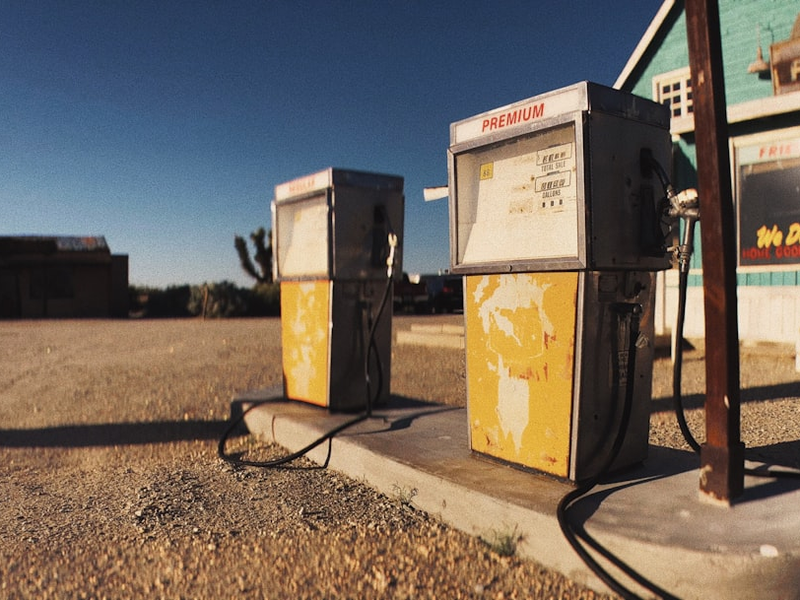
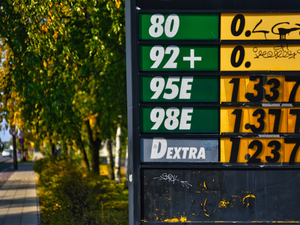
Photo by Carl Nenzen Loven on Unsplash
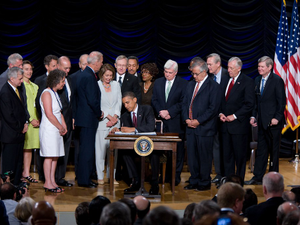
Remember when Governor Gavin Newsom declared victory over Big Oil? Back in 2023, California passed what was supposed to be a game-changing law that would let regulators cap refinery profits and crack down on price gouging. Newsom celebrated it as proof that “California took on Big Oil and won”. Three years later, that law hasn’t actually been used once.
Last year, the California Energy Commission voted to delay implementing these rules for five years. And here’s the kicker: Nancy Skinner, the former state senator who literally wrote the law, was absent when her own commission voted to shelve it. Now, with gas prices soaring past $5.30 a gallon statewide due to the Iran war sending global oil prices through the roof, consumer advocates are asking the obvious question: why isn’t the state using the tools it built to handle exactly this situation?
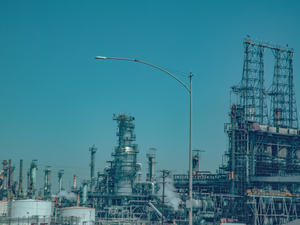
The answer is complicated and kind of depressing. When the Energy Commission met last August, Newsom had already started walking back his aggressive stance against the oil industry. The state was worried that penalizing refiners too hard would push them out of California entirely. And honestly, they had a point. Phillips 66 shut down its Los Angeles refinery last year citing sustainability concerns. Valero is closing its Benicia refinery next month. California is losing the infrastructure it depends on while transitioning away from fossil fuels, and state leaders basically panicked.
So instead of cracking down on oil companies, the state negotiated with them. Newsom directed officials to “work closely with refiners” on production and fuel supply. The Energy Commission’s vice chair recommended pausing the profit-cap rules to boost “investor confidence”. The oil industry’s message was clear: stop threatening us or we’ll leave.
But here’s what we know: between 2015 and 2024, Californians paid an unexplained 41-cent-per-gallon premium compared to other states, costing drivers an estimated $59 billion. That’s not a mistake or natural market fluctuation, that’s what happens when a handful of refiners control the supply in a state with no easy alternatives.
Jamie Court from Consumer Watchdog is blunt about it: the governor “panicked” and left the state without the “hammer” it needs right now. Others argue that capping refinery profits during supply shortages could backfire and create gas lines instead of just high prices.
The real problem is that California’s in an impossible position. We need gasoline today while trying to eliminate our dependence on it by 2045. Every refinery that closes makes us more vulnerable to global shocks like the Iran war. Meanwhile, the tools we built to protect ourselves are gathering dust in a filing cabinet, waiting until 2029 to maybe get used. By then, California may have already lost even more refining capacity and more money from drivers’ pockets.
AUTHOR: mb
SOURCE: Local News Matters