California's Gas Price Emergency Tool Is Still Sitting on the Shelf. And We're Paying for It
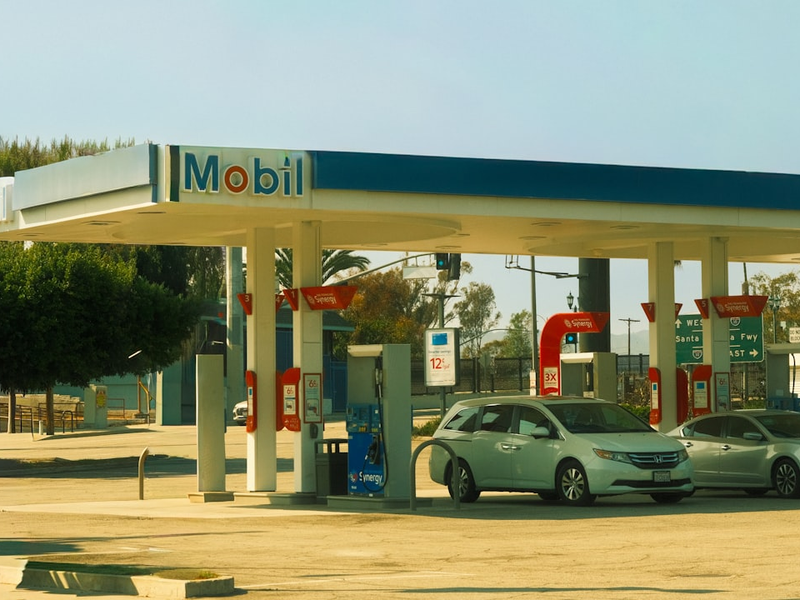
Photo by ubeyonroad on Unsplash
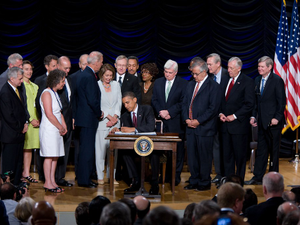
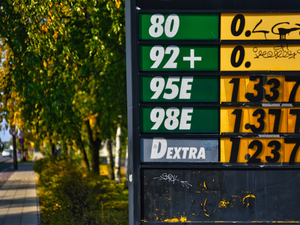
Remember when Governor Gavin Newsom declared victory over Big Oil back in 2023? He signed a landmark law that gave California regulators power to cap refinery profits and penalize price gouging. It was supposed to be our protection against exactly what’s happening right now: gas prices hitting $5.30 a gallon as global oil markets spiral due to the Iran war.
Here’s the problem: that law has never actually been used. Instead, last year the California Energy Commission voted to delay implementing it for five years. Even Nancy Skinner, the former senator who authored the law and called it a game-changer for holding oil companies accountable, was mysteriously absent when her own commission voted to shelve her creation.
The timing couldn’t be worse. With prices skyrocketing and global crude oil markets in chaos, consumer advocates are asking the obvious question: why aren’t we using the tools we fought for?
The answer reveals a painful contradiction at the heart of California’s energy crisis. State officials claim the delay was necessary to keep oil refineries from abandoning California entirely. If we push too hard on corporate profits, they argue, the remaining refineries might pack up and leave us even more dependent on imports. It’s a real dilemma: how do you punish an industry for gouging consumers when you simultaneously can’t afford to lose that industry?
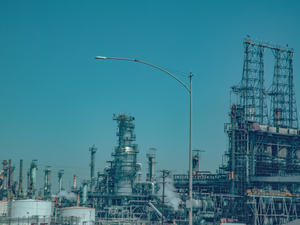
The situation has gotten noticeably worse. We’ve lost major refining capacity, Phillips 66 shut down its Los Angeles refinery last year, and Valero is closing its Benicia facility, which produces roughly 10% of California’s gasoline. That’s a structural problem that goes beyond any single policy.
California faces what experts call the “mid-transition” challenge. We’ve committed to phasing out fossil fuels by 2045, but we still heavily depend on gasoline while simultaneously losing the refineries that produce it. Every time a refinery closes, we lose double-digit percentages of our fuel supply and become increasingly reliant on global markets and imports.
The Iran conflict has exposed this vulnerability. That $25 per-barrel spike in international crude prices roughly translates to the 60-cent increase we’re seeing at the pump. While Governor Newsom blames global markets, analysts point out that our shrinking refinery base means international shocks hit California residents particularly hard.
Some economists warn that aggressive profit caps could backfire by creating fuel shortages. Others argue we should implement the rules immediately since these are exactly the price-spike conditions they were designed for. Meanwhile, proposed solutions like import terminals, new pipelines from the Midwest, and cheaper ethanol blends remain stuck in proposal phase.
The profit-cap rules remain dormant until 2029. By then, we could lose even more refineries. California residents are paying the price, literally and figuratively, while our leaders struggle to balance consumer protection against keeping an industry we’re trying to phase out. The irony is sharp: we built the tool to stop price gouging, then put it in a drawer just when we needed it most.
AUTHOR: tgc
SOURCE: CalMatters