California's Health Insurance Crunch: Why Thousands Are Downgrading Coverage to Stay Insured

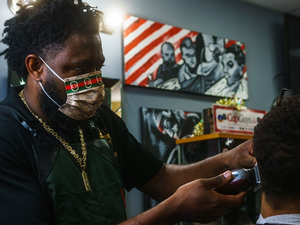
Photo by Marek Studzinski on Unsplash
The loss of federal health insurance subsidies is forcing Californians to make some tough choices about their coverage. While enrollment numbers on Covered California held relatively steady this year at 1.9 million people, the data tells a more complicated story about what’s actually happening in people’s wallets and healthcare decisions.
Here’s the real situation: more Californians are ditching better coverage plans for cheaper “bronze-level” plans. These plans sound appealing because the monthly premiums are lower, but there’s a catch. Bronze plans only cover 60% of your medical expenses, leaving you responsible for the rest through high deductibles and copays. One in three new enrollees chose bronze plans this year, up from one in four last year. Even more telling, 130,000 people already enrolled in better silver or higher plans switched down to bronze.
Miranda Dietz, director of the Health Care Program at the UC Berkeley Labor Center, warns that this shift could have serious consequences. “Those out-of-pocket costs do impact people’s decisions to get care, so that’s worrisome,” Dietz said. In other words, when you’re facing expensive copays and deductibles, you might skip going to the doctor even when you need to.
The core problem is that Congress let enhanced federal subsidies expire at the end of 2025. These subsidies, which started during the COVID-19 pandemic, had been a lifeline for middle-income earners, allowing them to qualify for premium assistance for the first time. Now, anyone earning above 400% of the federal poverty level, roughly $62,600 for an individual, gets zero help from the feds. Premiums jumped an average of 10% too.
The numbers for middle-income Californians are particularly rough. Of the 224,000 middle-income enrollees renewing coverage, 22% straight-up canceled their plans. New sign-ups in this income bracket dropped 59% compared to last year. Some of these folks might not even realize the premium payments are coming until they’re actually charged, at which point they may drop coverage altogether.
Lower-income Californians have it slightly better. They still qualify for standard federal premium assistance and California’s state-funded tax credits, which the state allocated $190 million for in 2026 to help people earning up to 165% of the federal poverty level.
But here’s what keeps California policymakers up at night: according to recent surveys, 70% of Californians say healthcare costs strain their household finances. Four in 10 have medical debt, six in 10 skip care, and 80% say making healthcare affordable should be a top priority for state leaders.
The Covered California team is staying optimistic, emphasizing that people value staying insured enough to make sacrifices. But the real test comes in April, when we’ll see who actually keeps paying those premiums.
AUTHOR: mb
SOURCE: Local News Matters