California's Measles Problem Isn't About Vaccination Rates—It's About the Unvaccinated
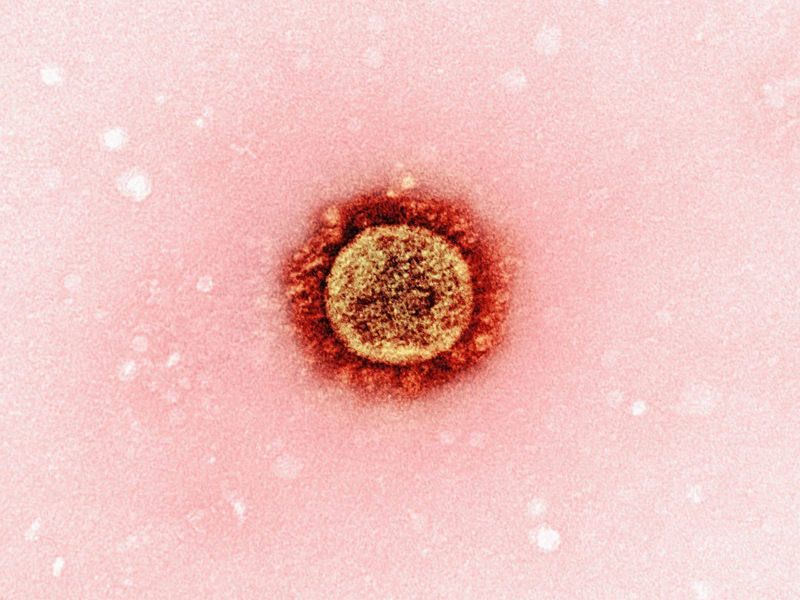
California’s health departments are in crisis mode. When a measles case is confirmed, the clock starts immediately: laboratory workers rush to process samples, public health nurses track down everyone the patient contacted, and a full-scale investigation kicks off to prevent the virus from spreading further. In a room with one infected person, nine out of ten unvaccinated people will contract measles. The virus particles linger in the air for up to two hours after someone leaves, creating a serious public health threat that demands rapid response.
Here’s the frustrating part: California has a vaccination rate of about 95% for kindergarteners, high enough to achieve herd immunity. Yet measles outbreaks keep happening anyway, driven by pockets of unvaccinated communities scattered throughout the state. Seven counties have reported 21 measles cases so far this year, with Shasta and Riverside counties dealing with localized outbreaks. These are the first measles cases California has seen since 2020, and they’re arriving at the worst possible time.
Local health departments are stretched impossibly thin. The first three measles cases reported in L.A. County alone cost an estimated $231,000 to investigate. That’s because each case requires public health nurses, physicians, epidemiologists, and lab scientists to follow up with hundreds of contacts, sometimes even visiting homes and exposure sites. L.A. County monitored 246 people exposed to those three cases, and the work continues.
But here’s what makes this crisis even more dire: federal funding cuts are gutting the resources health departments need to respond. The Trump administration slashed nearly $1 billion from California’s public health budget last year and attempted to claw back another $600 million this year. While lawsuits have frozen those cuts for now, local health departments treat the money as already lost. L.A. County is facing a $50 million shortfall and closed seven public health clinics. Orange County lost $22 million in federal cuts. Health departments are laying off workers and terminating programs while measles cases multiply.
Meanwhile, high-profile questioning of vaccine safety by U.S. Secretary of Health and Human Services Robert F. Kennedy Jr. has undermined public confidence in vaccines. The Trump administration stripped universal recommendations from seven childhood vaccines, and California Democrats are fighting back by suing to block the new guidelines and launching their own vaccine initiatives.
Dr. Erica Pan, California’s Public Health Officer, put it bluntly: “The United States is experiencing the highest numbers of measles cases, outbreaks, hospitalizations and deaths in more than 30 years”. South Carolina alone reported nearly 1,000 cases, the largest outbreak since measles was declared eradicated over 25 years ago.
The situation in Shasta County illustrates how quickly things spiral. One child with measles symptoms exposed people across six locations: a restaurant, church, gym, park, Costco, and clinic. Health officials identified nine total cases, all among unvaccinated children, and the contact tracing process had to start over when a ninth case visited multiple additional locations while contagious.
All of this is preventable. Vaccines work. The problem isn’t California’s vaccination rate, it’s the deliberate choice by some communities to remain unvaccinated, combined with a federal government actively undermining public health infrastructure when we need it most.
AUTHOR: mei
SOURCE: Local News Matters