California's Mental Health Overhaul Is Actually Working. Here's What's Changing
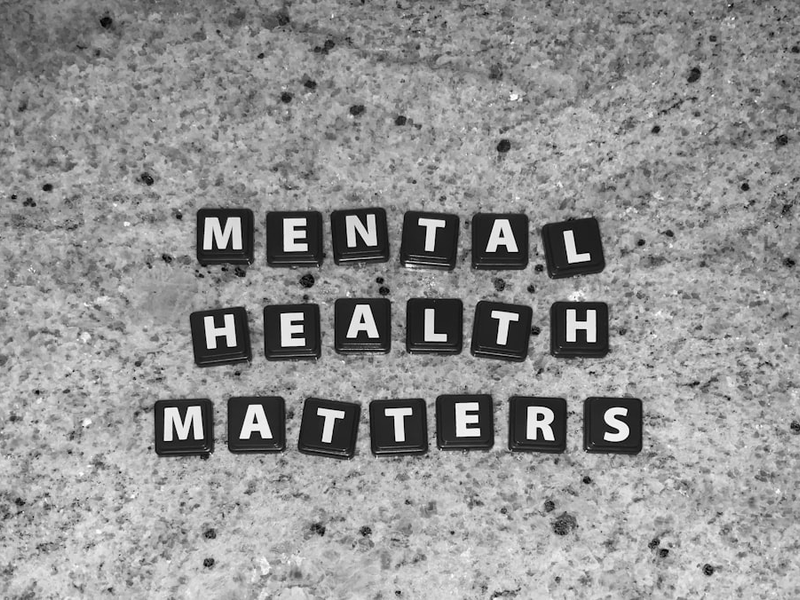
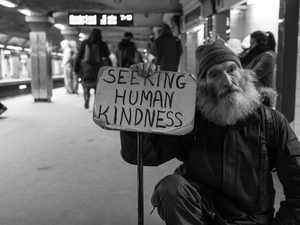
Photo by Marcel Strauß on Unsplash
California just hit a major milestone in its fight against homelessness and untreated mental illness, and honestly, it’s worth paying attention to. Governor Newsom announced that Proposition 1, a $6.4 billion behavioral health bond that voters approved in 2024, is already crushing its goals, delivering over $4 billion in funding to expand mental health and substance use treatment facilities across the state.
Here’s the real deal: In just two years, the state has exceeded its original target of creating 6,800 treatment beds. California has already built 6,919 residential beds and created 27,561 outpatient treatment slots. That’s not just meeting expectations; it’s blowing past them. The latest funding round alone is dropping $1.18 billion to build 66 new projects across 130 behavioral health facilities, adding another 2,554 residential beds and 4,273 outpatient slots.
What makes this genuinely significant is the context. Back in the 1980s, when Ronald Reagan was governor, California shut down most of its state hospitals without creating adequate alternatives. That decision basically created the modern homelessness crisis we’re dealing with today. People with untreated psychosis are now 10 times more likely to experience homelessness and 16 times more likely to get incarcerated. The state is finally trying to fix a problem that’s festered for decades.
The funding is going where it’s needed most. Rural and tribal communities are getting serious resources, including California’s first Tribal Peer Respite program with $12 million for the Yurok Tribe, and $4.4 million to open Glenn County’s first residential substance use disorder treatment facility. There’s also $27 million for a new treatment program specifically serving fathers with children in the San Joaquin Valley, and $24 million for a 105-bed treatment center in Ontario focused on helping justice-involved men reenter society.
Beyond just treatment beds, Proposition 1 is part of a larger mental health strategy called “Mental Health for All” that includes expanded crisis support through the 988 suicide hotline, a new CARE Court system for people with schizophrenia and psychotic disorders, and reforms to conservatorship laws that haven’t been updated in 50 years. The state’s also pushing the Homekey+ program to create more supportive housing.
The results are actually showing. California saw a 9 percent drop in unsheltered homelessness in 2025, the first statewide decrease in 15 years. That’s massive, especially when the rest of the country is heading in the opposite direction. The state’s SAFE Task Force has been clearing encampments in major cities like San Francisco, LA, Long Beach, Sacramento, and Fresno, connecting people with shelter and services in the process.
Of course, this is just one part of addressing what’s become one of California’s defining crises. But the combination of new treatment beds, housing, stronger mental health support systems, and actual accountability mechanisms suggests the state is finally taking a structural approach to a problem that’s been spiraling for generations. Whether it can sustain this momentum and deliver real change for vulnerable Californians remains to be seen.
AUTHOR: pw
SOURCE: gov.ca.gov