Congress Just Made a Major Move to Stop the FBI from Spying on Your Texts
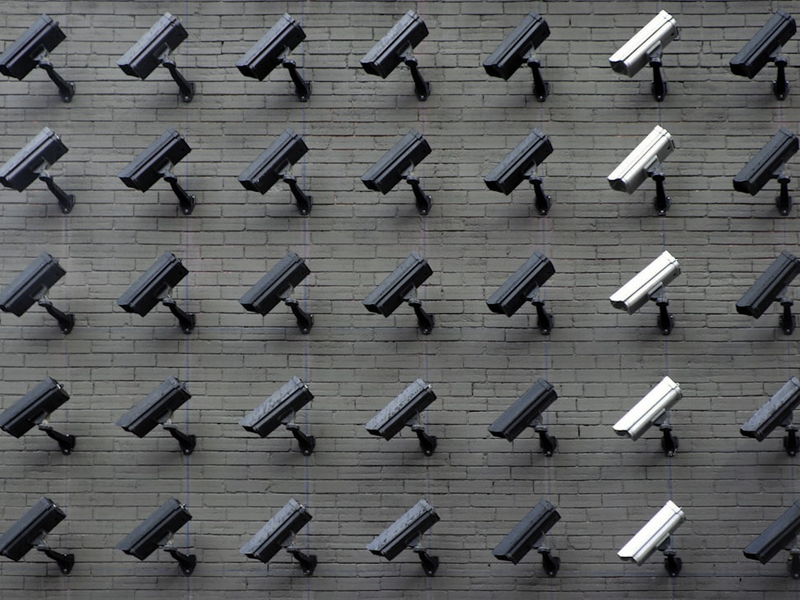
Photo by Lianhao Qu on Unsplash
Congress is finally throwing down the gauntlet on one of the most invasive surveillance powers in America. A bipartisan group of lawmakers introduced the Government Surveillance Reform Act of 2026 this week, and it’s poised to force the FBI to actually get a warrant before reading your private messages, something that should’ve been required all along.
Here’s the deal: The FBI currently has a legal loophole that lets them search through Americans’ communications without a warrant under Section 702 of the Foreign Intelligence Surveillance Act. The program was originally designed to spy on foreigners overseas, but it sweeps up massive amounts of data from people living in the US. Agents routinely dig through this data to read your texts and emails without getting a warrant first. Yeah, that’s as sketchy as it sounds.
Senators Ron Wyden and Mike Lee are leading this charge with Representatives Warren Davidson and Zoe Lofgren. They’ve got backing from civil liberties organizations across the political spectrum, which is huge because surveillance reform doesn’t usually get this kind of bipartisan support.
What makes this moment significant is timing. Section 702 expires on April 20, and the current Trump administration is demanding a “clean” reauthorization with zero reforms. The intelligence community is backing them up, arguing that national security can’t wait for constitutional protections. But reformers just got a major win: In January 2025, a federal judge ruled that these warrantless backdoor searches violate the Fourth Amendment. That’s a game-changer because it actually gives lawmakers a constitutional argument for requiring warrants.
But here’s where it gets really troubling. FBI Director Kash Patel has dismantled the internal oversight mechanisms that were supposed to keep the government in check. Last year, he shut down the FBI’s Office of Internal Auditing, the unit that reduced improper searches from 119,000 in 2022 to about 5,500 in 2024. The FBI was literally using that improvement as an argument against warrant requirements. Now that the watchdog is gone, there’s nothing stopping abuse.
The new bill also tackles another major privacy problem: federal agencies buying commercial data from brokers to bypass warrant requirements. Immigration and border agencies have already spent tens of millions on surveillance databases, facial recognition tools, and location tracking services. The legislation would ban the federal government from using these workarounds.
Reformers are hoping that public pressure, a legitimate constitutional ruling, and visible contempt for oversight mechanisms will finally give them the leverage they need. The vote is coming down to whether lawmakers will protect Americans’ privacy or let the surveillance state expand even further. With an April deadline looming and democracy itself on the line, this is one fight worth watching.
AUTHOR: pw
SOURCE: Wired