Hundreds of Bay Area Families Face Housing Crisis as Federal Pandemic Aid Expires Early
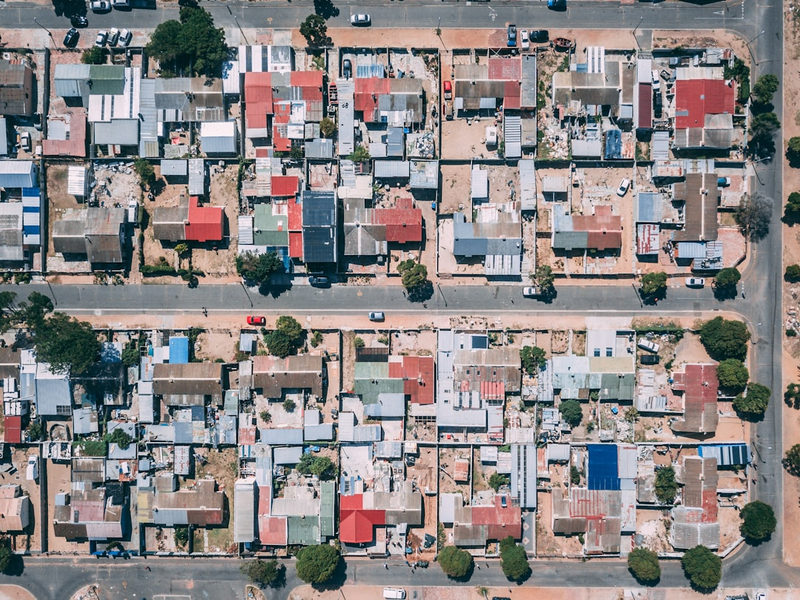
Photo by Clayton Cardinalli on Unsplash
Junchang Tan thought he’d finally escaped the nightmare of cramped living. After nearly a decade crammed with his wife and children in a tiny single-room-occupancy hotel, he moved into a real apartment with actual space. But now, just three years later, he’s staring down the same housing instability that haunted him before.
The culprit? The federal Emergency Housing Choice Voucher Program, a pandemic-era lifeline that was supposed to last until 2030, is running out of money this year, five years ahead of schedule. And it’s leaving 920 San Francisco residents scrambling.
Tan and hundreds of others accepted these vouchers thinking they’d finally have stability. The program worked like Section 8, capping rent at 30% of income, but prioritized the most vulnerable people, folks facing homelessness, survivors of domestic violence, and families in crisis. But as rents skyrocketed faster than anyone predicted and incomes stayed flat, the math didn’t work out. The government ran through the allocated funds way faster than expected.
“We all thought the voucher was long term,” Tan said in Cantonese. “So when we heard about this, we felt a sense of helpless regret”.
City officials are now scrambling to prevent hundreds of families from falling back into homelessness. The plan involves shifting voucher recipients into two permanent federal housing programs starting this spring, with city funding bridging the gap. If the Department of Housing and Urban Development approves the necessary waivers in April, most households should transition to new programs by May 2027.
But it’s cold comfort for people like Jessica Boykin, a 35-year-old who survived domestic violence and homelessness twice before securing an emergency housing voucher. In just two years, her life had stabilized. She kept a steady job, developed routines for her four kids, and started planning for a future beyond subsidies. “If I had known what I know now about this voucher, I would never have moved,” she said.
For Lily Wu, who moved out of a residential hotel after more than a decade with her family, the uncertainty is paralyzing. Her Chinatown apartment keeps her close to her job, her in-laws, her kids’ schools, and the neighborhood services available in her language. Moving for a project-based voucher elsewhere could mean losing all of that.
Housing advocates acknowledge that while the city’s transition plan is better than nothing, it’s far from ideal. Moving vulnerable people who’ve experienced trauma and violence creates real destabilization, especially when they might end up in unfamiliar neighborhoods. Some recipients will need to repeat parts of the application process. Others worry about losing their spots on waiting lists they’ve been on for years.
The real issue? Congress failed to renew the program despite proposals from lawmakers. Now, working families and survivors rebuilding their lives are caught in the crossfire of federal policy failures and housing scarcity.
AUTHOR: mei
SOURCE: San Francisco Public Press