Justice Jackson Calls Out Supreme Court's Discriminatory Passport Policy

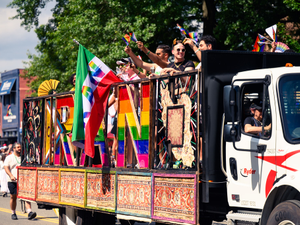
Photo by HC Precinct1 | License
In a powerful dissent, Supreme Court Justice Ketanji Brown Jackson has once again stood up against discriminatory policies targeting transgender and non-binary individuals. The Supreme Court’s conservative majority recently issued an emergency order allowing the Trump administration to restrict passport gender markers, effectively forcing trans people to display only their sex assigned at birth.
The order would roll back progressive policies that have been in place since the 1990s, which previously allowed individuals to have passports reflecting their gender identity. Justice Jackson, joined by Justices Sotomayor and Kagan, condemned the decision, arguing that the court fundamentally misunderstood its responsibility.
“Our task in deciding stay applications is not simply to make a ‘back-of-the-napkin assessment of which party has the better legal argument,’” Jackson wrote. Her dissent highlighted the potential real-world harm such a policy could cause transgender individuals who might face dangerous situations when their passport outs them in foreign countries.
The State Department’s policies on gender markers have evolved significantly over decades. Initially, passports didn’t include gender markers until 1971. By 2010, under Secretary of State Hillary Clinton, individuals could obtain passports with their identified gender by providing a doctor’s letter. The Biden administration further expanded these rights, even introducing a gender-neutral “X” marker in 2021.
This latest move by the Supreme Court represents a significant setback for transgender rights. It follows a series of recent decisions that have challenged the civil liberties of LGBTQ+ communities, including restrictions on gender-affirming care for minors and potential limitations on transgender athletes’ participation in sports.
Justice Jackson’s dissent serves as a critical reminder of the ongoing struggles for transgender rights and the importance of judicial voices that refuse to remain silent in the face of discrimination. Her unwavering commitment to protecting vulnerable communities continues to shine a light on the systemic challenges faced by transgender individuals in the United States.
As the legal battle continues, advocacy groups like the ACLU remain committed to challenging policies that seek to marginalize and harm transgender communities.
AUTHOR: mb
SOURCE: SFist