Latino Residents at Chase Hotel Are Done Being Silent About Moldy, Rodent-Infested Units
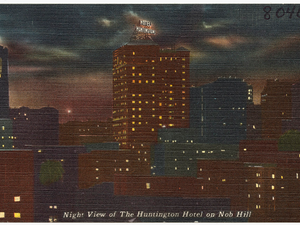
Photo by Princeton Public Library, NJ | License
On a chilly January morning, a group of Latino residents, including a woman nine months pregnant and others with their children in tow, walked three blocks from the Chase Hotel on Market Street to San Francisco’s Department of Building Inspection to testify about the deteriorating conditions they’ve been living in for years.
For the first time, these residents were able to escalate their complaints and get a hearing about widespread mold, cockroach and rodent infestations, and countless other signs of an uninhabitable space. The Chase Hotel residents weren’t alone in the room. They were greeted by organizers from the SRO Collaborative, a city-funded program that supports a coalition of community groups advocating for low-income residents living in single-room occupancy hotels.
Miguel Carrera, a housing justice organizer, helped interpret and provided crucial support as each resident cautiously approached the podium to share their stories. “We want to testify and make it clear how difficult it is to live in these conditions for families and children”, Carrera said.
For years, Chase Hotel residents have endured mold, broken elevators, pest infestations, and missing carbon monoxide detectors. But the real barrier to change wasn’t just negligent management, it was fear. Many Latino residents were too scared to speak up, worried about retaliation from management, losing their homes, or drawing attention to themselves amid Trump’s aggressive immigration enforcement. Some residents had reported rodent droppings in their kitchens and bed bug bites on their children but said nothing to management. They chose to suffer in silence rather than risk eviction from the only place they could afford.
Language barriers made things worse. The building’s administrator speaks Tagalog and English, while many families speak only Spanish. Residents weren’t sure how to formally complain, so problems just kept piling up. One resident told organizers: “We live here because we don’t have the resources to live anywhere else. Sometimes living in this country isn’t easy. It’s a daily struggle”.
But something shifted. Working together and with support from housing advocates, residents started organizing. The SRO Collaborative helped them prepare testimony. Housing defenders noted that Trump’s mass deportation campaign and ICE raids have created a climate of terror affecting immigrant and Latino communities’ ability to advocate for basic rights like safe housing.
The city’s Department of Building Inspection finally issued serious citations to the property owner, F & M Oberti, Inc., for mold, infestations, and safety violations. By late January, the department escalated enforcement with a formal hearing, the first of its kind for this building, marking real consequences. If violations aren’t corrected by Friday, the city will place a lien on the property, potentially blocking refinancing or sale.
The SRO Collaborative has helped over 500 families escape supportive housing in the past five years. Now they’re focused on getting Chase Hotel residents out and into better living situations. Solange Cuba, an organizer with the Coalition on Homelessness, noted that Latino families are good neighbors who look out for each other. “When you reach one person, they talk to each other and protect themselves”, Cuba said.
Even with fear hovering over their heads, these residents proved that organized communities have power. Their voices matter, and their demand for safe housing is being heard.
AUTHOR: pw
SOURCE: San Francisco Public Press