Marin County is Finally Building Affordable Housing. Here's What's Actually Happening
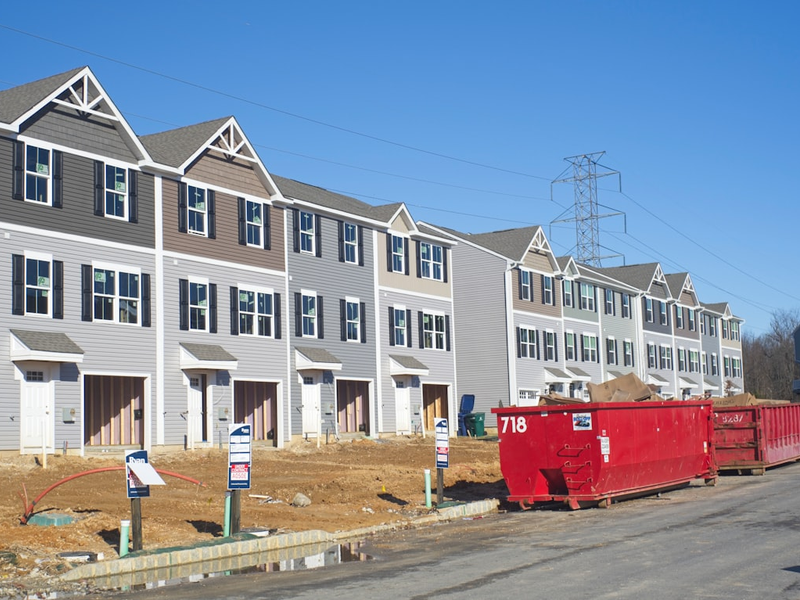
Photo by Ernie Journeys on Unsplash
Marin County is making real progress on one of the Bay Area’s most pressing problems: the housing shortage. According to a recent update to the county board, more than 700 homes are currently moving through the development pipeline in unincorporated areas, and officials say most projects are staying on track with the county’s 2023-2031 Housing Element, basically the roadmap for how the region plans to tackle housing demand and affordability.
For context, the state has been putting serious pressure on counties and cities to build enough affordable housing. If a jurisdiction falls behind on its goals, California can streamline developer approvals, bypassing local hearings and environmental reviews. It’s a pretty aggressive way to force action, but it’s working. The good news? Marin isn’t facing that penalty yet, and the county’s housing plan is currently in compliance with state requirements.
So what’s actually being built? Several major projects are in the works. There’s the Oak Hill Apartments project along Sir Francis Drake Boulevard near Larkspur, which would include at least 250 affordable homes for teachers and county workers. The former theological seminary site in Strawberry is being redeveloped, and there are multiple projects planned around Marinwood shopping center and in unincorporated San Rafael.
But here’s where things get complicated. The county needs to approve 3,569 total housing units by 2031. In the first three years of this eight-year cycle, they’ve only issued 343 permits across all income levels. That means roughly 3,200 more units need to get the green light to hit the target. In 2025 alone, the county issued 117 permits, which is actually progress compared to previous years.
The numbers reveal a bigger gap for low-income housing. Of the permits issued so far, only 64 fall into the very-low-income category (families earning up to about $96,700 annually for a family of four), while 83 are classified as low-income units. The county needs 1,100 very-low-income units and 634 low-income units by 2031 to meet state requirements.
One bright spot: accessory dwelling units are booming. In 2025, the county issued 83 ADU permits, more than double the average of 35 per year in 2019. These smaller units on existing properties are becoming increasingly popular with homeowners and are helping to increase the housing supply.
County planners aren’t sitting around waiting for developers. They’re actively exploring opportunities on county-owned land, tackling farmworker housing needs in West Marin, and pushing outreach to developers. They’re also dedicating funds to help existing residents stay in affordable units. It’s not a quick fix, but it shows the county is serious about making progress on one of the most critical issues facing the Bay Area.
AUTHOR: cgp
SOURCE: Local News Matters