Mayor Lurie's Charter Reform Could Make it Way Harder for Regular People to Get Things on the Ballot
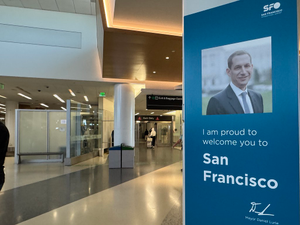
San Francisco’s government is about to get a major shake-up if Mayor Daniel Lurie and Board of Supervisors President Rafael Mandelman get their way. On Wednesday, they filed notices of intent to gather signatures for three ballot measures that would fundamentally reshape how City Hall operates. The proposals are set to hit the November 2026 ballot and have already sparked serious pushback from labor leaders who worry these changes could silence everyday residents.
Lurie and Mandelman are calling their effort “Clean Up City Hall”, framing the reforms as necessary fixes to a bloated charter that’s over 500 pages long. “San Franciscans deserve a City Hall that works for them, not for insiders or special interests”, Lurie said in a statement. “Our city charter is so bloated that it slows down basic services, breeds corruption, and wastes taxpayer dollars”. The reforms aim to streamline government and improve accountability, but critics say the opposite might actually happen.
The most controversial proposal would make it way harder for everyday people to get measures on the ballot. Currently, citizens need to gather signatures from roughly 2% of registered voters to qualify a ballot initiative. Under the new proposal, that would jump to about 8%, a four-fold increase. On top of that, the measure would require a majority of supervisors (six of the 11 members, instead of four) to place an initiative on the ballot and would eliminate the mayor’s ability to unilaterally put measures before voters. The supporters argue this would reduce confusion and align San Francisco with other California cities that have higher thresholds. In 2024, SF voters faced 15 local measures compared to just one in San Jose and three in Oakland.
San Francisco Labor Council Executive Director Kim Tavaglione isn’t buying it. She argues the higher signature requirement could price grassroots campaigns out of the process entirely, benefitting wealthy interests over working people. “Public access to ballot measures is an equity issue that is ingrained in our charter for a reason”, Tavaglione said. “People in San Francisco believe they have a right to participate in government, and a lot of these charter reforms are aimed at reducing their involvement”.
The other two proposals are just as concerning to critics. One would expand the mayor’s power over city departments, allowing them to hire and fire most department heads directly and weaken independent commissions. Another would overhaul contracting processes and raise dollar thresholds for supervisor approval. Tavaglione warned that voters will likely see these changes as “a consolidation of power and possible corruption”.
Each measure needs roughly 51,000 signatures to qualify for the ballot. If approved in November 2026, they’d amend the city charter that’s been amended countless times over decades. The proposals stem from a charter review effort launched by Lurie and Mandelman in late 2025.
AUTHOR: cgp
SOURCE: SFist