Tech Billionaires Are Spending Big to Crush SF's CEO Tax. And It's Exposing a Broken System
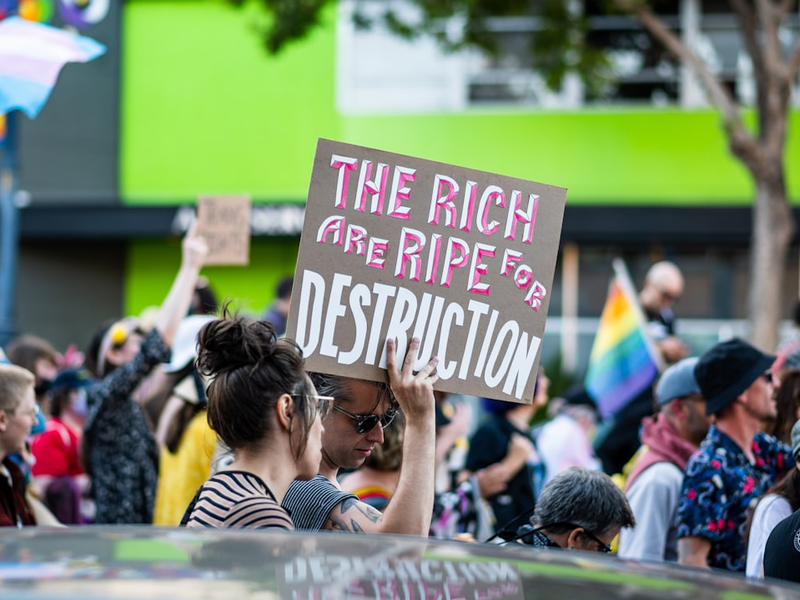
Photo by Patrick Perkins on Unsplash
San Francisco is about to witness a ballot battle that perfectly captures how wealth shapes local politics. Labor unions are pushing Proposition D in June to increase the city’s tax on executives who earn way too much compared to their workers, but billionaire-backed groups are already flooding the zone with cash to block it. And the money is absolutely staggering.
A business-backed committee opposing the tax has raised over $800,000, with roughly three-quarters coming directly from billionaires. That includes $500,000 from crypto investor Chris Larsen and $125,000 from venture capitalist Michael Moritz, who owns the San Francisco Standard. According to reports, groups like Neighbors for a Better San Francisco are planning to drop $1 million to defeat the CEO tax. On the flip side, labor unions have contributed about $350,000, with major support from Service Employees International Union locals.
Here’s the thing: this isn’t just about money influencing individual voters, though that matters. According to San Francisco State political scientist Jason McDaniel, the real issue is how our ballot system is structurally rigged in favor of rich people and big organizations.
San Francisco makes it ridiculously easy to get measures on the ballot, you only need signatures from 2 percent of registered voters, compared to 10 to 15 percent in other California cities. But here’s the catch: getting those signatures through paid signature gathering can cost $250,000 or more. Add in legal fees and campaign consultants, and you’re looking at half a million dollars just to reach the ballot. That means while ballot access seems democratic on paper, it’s really only accessible to the mega-wealthy or organized groups like unions.
This matters because it lets well-funded interests completely bypass the normal legislative process and take issues directly to voters. Taxes used to get worked out through the Board of Supervisors with negotiations and compromises. Now we’re making major policy decisions through ballot measures, and whoever has the deepest pockets gets to set the terms.
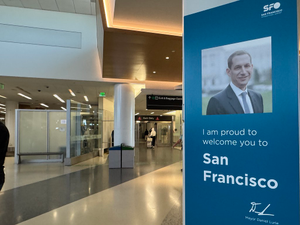
Mayor Daniel Lurie is so concerned about this dynamic that he announced plans in March to push charter reforms that would make it harder for these big-money ballot wars to happen. His proposal would raise the signature threshold required for initiatives and require more supervisors to approve ballot measures.
But raising those thresholds is controversial, critics worry it would just make it even harder for everyday people to get measures on the ballot while protecting the interests of people already in power.
Meanwhile, voters will have to decide between two competing CEO tax proposals. The labor-backed measure would expand the tax by calculating CEO pay ratios using a company’s entire workforce, not just San Francisco employees, which would generate more revenue for public services. The business-backed measure would keep the tax scaled back and raise other business tax thresholds instead.
What’s clear is that San Francisco’s ballot system has become a playground for the wealthy and well-organized, and that’s shaping which policies actually get passed.
AUTHOR: pw
SOURCE: San Francisco Public Press