Big Tech's Playbook: How AI Companies Gutted Safety Rules in California and New York
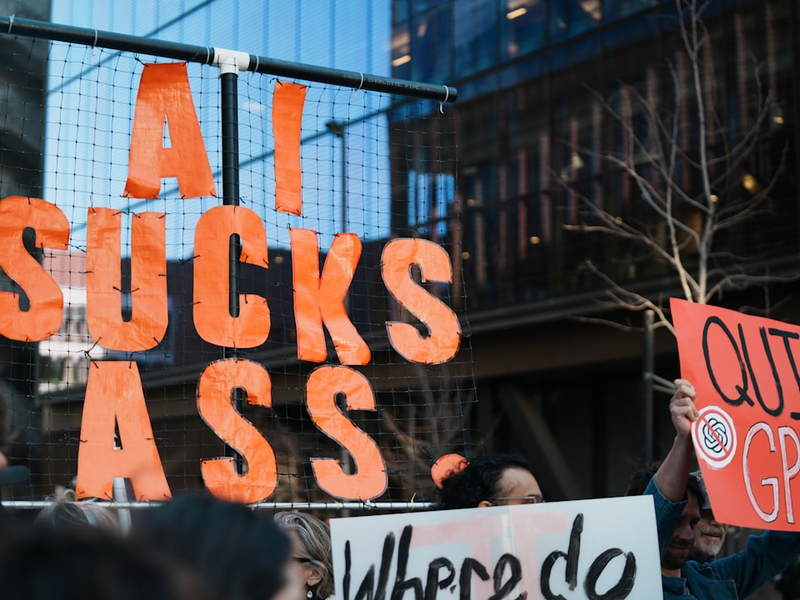
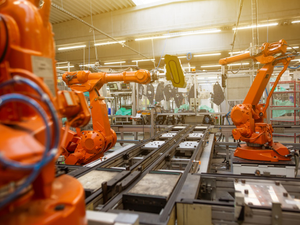
Photo by Nathan Kuczmarski on Unsplash
Remember when Governor Newsom called California’s new AI safety law “a template for the nation” back in January? Yeah, about that, it’s more like a template for how to weaken regulations while looking tough on Big Tech. And New York just copied the homework.
Here’s what went down: New York passed the RAISE Act last year with real teeth. It was supposed to make AI companies report safety risks before anything went wrong. But then Governor Hochul signed it in December with a sneaky caveat: she wanted it “revised”. Fast forward to January, and two New York lawmakers who wrote the bill essentially rewrote it themselves, turning it into a carbon copy of California’s watered-down version. We’re talking about copying 12 lines of code that essentially gutted the entire law.
Let’s be real about what changed. The original law would’ve required companies to warn regulators about potential dangers. The new version? Companies only have to report if someone actually dies, gets injured, or loses a billion dollars. That’s not safety regulation, that’s just documentation after disaster strikes.
The culprit? A massive lobbying blitz funded by venture capital firm Andreessen Horowitz and major AI companies like OpenAI and Meta. They created a super PAC called Leading the Future with over $100 million to push back against both states’ regulations. They flooded New York with digital ads claiming the RAISE Act would “destroy jobs” and “stifle innovation”. Some lawmakers even got targeted politically for supporting the bill.
What’s wild is that this happened in blue states run by Democrats who regularly criticize Trump’s deregulatory agenda. Yet here they are, letting tech giants dictate the terms of their own oversight. The New York bill’s authors later admitted they felt “a lot of pressure” from the VC community during negotiations. One lawmaker described watching “well-financed organizations parachute into New York” with ads claiming the regulation would destroy “rainbows, and cookies and chocolate”.
The strongest provisions didn’t survive either. Penalties got slashed by 90 percent. Rules preventing unsafe AI from being released were stripped out. The definition of what counts as a “safety incident” was narrowed so much that it basically only applies after harm happens.
Senator Andrew Gounardes, one of the RAISE Act’s original authors, acknowledged the reversal but framed it as a “pragmatic compromise”. He says the fight isn’t over and they’ll try again to strengthen protections. But here’s the thing: if tech companies can successfully lobby away safety guardrails in the most progressive states in the country, what chance do the rest of us have?
This is the new normal, politicians get to claim they’re protecting us from AI risks while Big Tech gets exactly the kind of oversight it wants: basically none until something catastrophic happens. And the playbook developed in California is now becoming the national standard.
AUTHOR: cgp
SOURCE: San Francisco Public Press