Nvidia's Betting Big on AI Agents. And Everyone Else Is About to Follow

Photo by Google DeepMind on Unsplash
Nvidia just made it crystal clear: AI agents are the next big thing, and the world’s most valuable company is all in. At its annual GTC conference in San Jose on Monday, the chip giant rolled out a ton of new software and hardware specifically designed to power AI agents, those autonomous AI assistants that can actually get stuff done without you having to ask them every five seconds.
Here’s what makes this a big deal: Nvidia is basically the infrastructure backbone of the entire AI industry. When Nvidia moves, everyone else watches closely because so many major companies rely on their systems to train and run their AI services. Their latest announcements are basically a roadmap for where the tech world is heading.
The star of the show was OpenClaw, which CEO Jensen Huang called the “operating system for personal AI”. According to Huang, it became the most popular open-source project in history in just a few weeks. Nvidia dropped new tools and resources to help companies build AI agents on OpenClaw, including privacy and security controls, something that matters a lot since cybersecurity experts have been raising red flags about the platform. The company worked directly with OpenClaw creator Peter Steinberger on these safety features.
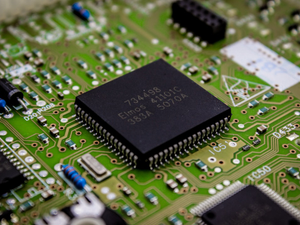
But here’s where it gets really interesting: Nvidia isn’t just doubling down on graphics processing units anymore. They unveiled new computing racks built with central processing units instead, which are actually way better for powering AI agents. They’re also doing something kind of wild, integrating processors from a competitor. In November, Nvidia struck a $20 billion deal with American AI company Groq to include their high-speed “language processing units” in their systems.
Unlike AI chatbots that just answer your questions, AI agents can autonomously handle complex tasks like building websites, creating marketing pitches, and sending emails. This shift is huge, and it’s being driven by the popularity of OpenClaw and similar tools from companies like Anthropic.
Huang didn’t hold back on the vision either. He said every company needs an “agentic system strategy” and compared this moment to the importance of HTML and Linux. He also dropped some wild revenue predictions, expecting at least $1 trillion in Nvidia revenue through 2027.
The company is even looking up, literally. Nvidia is launching a space module for its Vera Rubin platform to bring their latest tech to data centers in space. It sounds like sci-fi, but tech CEOs like Sam Altman and Elon Musk have been talking about space-based data centers to help power energy-hungry AI systems.
The message is loud and clear: the AI boom isn’t slowing down, and AI agents are about to become everywhere. Whether that’s exciting or terrifying probably depends on who you ask.
AUTHOR: cgp
SOURCE: CNN