Your CPAP Machine Isn't Working? Here's What's Actually Changing Sleep Apnea Treatment
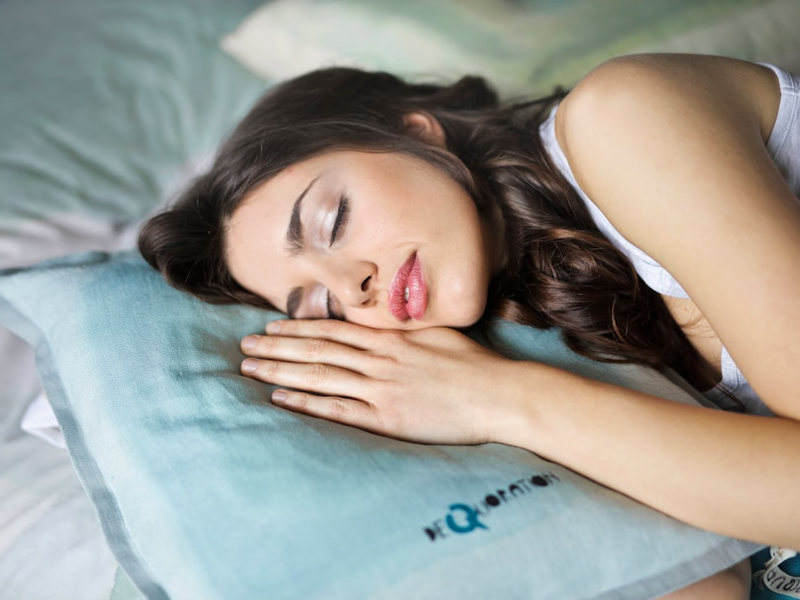
Photo by bruce mars on Unsplash
Sleep apnea affects nearly 1 billion people worldwide, yet most don’t even know they have it. For decades, the CPAP machine, that mask-based device that forces air into your airway while you sleep, has been the only real option. But here’s the thing: plenty of people absolutely hate wearing one. And that’s a massive problem, because untreated sleep apnea can lead to heart disease, stroke, and dementia.
The real issue isn’t whether CPAP works. It does. Studies show it can significantly reduce mortality and cardiovascular risk. The problem is sticking with it. Research reveals that just 38 percent of patients are using their CPAP machines enough after three months, and only about 45 percent maintain high adherence after two years. For a lot of people, sleeping with a mask strapped to their face feels claustrophobic and, frankly, miserable.
That’s why a wave of new treatments is finally arriving to shake things up. One promising option is hypoglossal nerve stimulation, basically a device that delivers mild electrical pulses to keep your airway from collapsing during sleep. A newer version called ZeusOSA, worn under the chin, is heading into clinical trials this year. Early research suggests it could be especially effective for people with slimmer necks, which could be a game-changer for women, who often experience sleep apnea differently than men.
Then there are mandibular advancement devices, custom-fitted mouth guards that gently pull your lower jaw forward to open up your airway. They’re already FDA-approved and evidence-based, though they’re pricey (between $1,500 and $4,500) and only specially trained dentists can fit them. They work best for mild to moderate cases.
Inspire therapy, an implanted hypoglossal nerve stimulation device that’s been around for over a decade, shows impressive results: a 79 percent reduction in sleep apnea severity and a 90 percent drop in snoring. Meanwhile, pharmaceutical companies are getting in on the action too. In 2024, the FDA approved Zepbound (a weight-loss drug) specifically for sleep apnea in people with obesity. And a Massachusetts startup called Apnimed is developing a nightly pill that targets the biological pathways controlling airway stability, rather than just mechanically forcing air in.
But don’t count CPAP out just yet. Researchers are also working to make it more tolerable. CPAP Buddy, a new app backed by the UK’s Medical Research Council, uses behavioral therapy and peer support to help people actually stick with their machines. The reality is that CPAP remains the most effective treatment, once people actually use it. The challenge isn’t the machine; it’s getting people to adapt to the behavior change.
The bottom line? Sleep apnea treatment is finally becoming personalized. Whether you need a device, a pill, or behavioral support, doctors now have options beyond one-size-fits-all CPAP masks.
AUTHOR: mb
SOURCE: Wired